

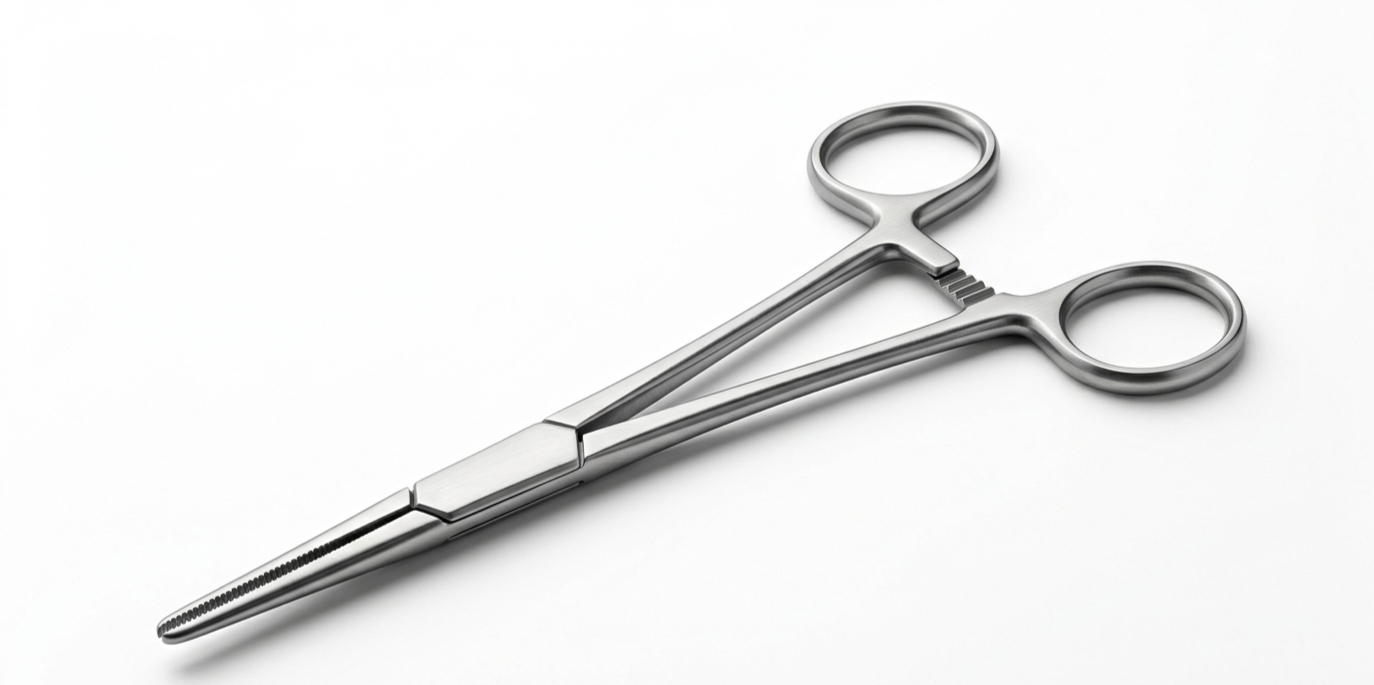
The Instrument Most Beginners Overlook Until They Need It
The first time I visited a busy dental clinic, I expected to see advanced equipment doing most of the work. Instead, one of the instruments I noticed being picked up repeatedly throughout the day was a simple cotton forceps.
A dental assistant used it to place cotton rolls before a filling procedure. Minutes later, the same instrument was used to transfer a small medicated dressing. During another patient appointment, it helped remove cotton pellets from a hard-to-reach area of the mouth.
What surprised me was how frequently this small instrument was used.
Most people focus on high-profile instruments such as extraction forceps, surgical scissors, or needle holders. Cotton forceps rarely receive the same attention, yet they play a crucial role in infection control, precision, and workflow efficiency.
After speaking with dentists, dental assistants, and healthcare suppliers over the years, I learned that choosing the right cotton forceps can make routine procedures smoother and more comfortable for both the clinician and the patient.
If you’re a dental student, clinic owner, healthcare buyer, or someone learning about surgical instruments, understanding cotton forceps is worth your time.
What Makes Cotton Forceps Different from Ordinary Tweezers?
One misconception among beginners is that cotton forceps are simply medical tweezers.
They are not.
While both instruments may appear similar, cotton forceps are specifically designed for clinical environments where hygiene, precision, and durability matter.
Medical-grade cotton forceps typically feature:
- Precision-machined tips
- Corrosion-resistant stainless steel
- Sterilization compatibility
- Better grip control
- Ergonomic handling
These features allow healthcare professionals to handle sterile materials without compromising cleanliness.
A standard household tweezer may work for picking up a small object, but it would be unsuitable for repeated clinical use.
A Real Example from Daily Dental Practice
Consider a routine cavity-filling procedure.
The dentist needs a dry working area because moisture can affect bonding materials.
The dental assistant uses cotton forceps to:
- Pick up a sterile cotton roll.
- Place it accurately between the cheek and gum.
- Adjust its position during treatment.
- Remove and replace it when necessary.
This process may happen multiple times during a single appointment.
Without cotton forceps, maintaining sterility and precision becomes far more difficult.
This is one reason dental clinics keep several cotton forceps available throughout the day.
How Cotton Forceps Help Infection Control
Many new healthcare workers focus on gloves when thinking about infection prevention.
Gloves are important, but instrument handling is equally important.
Every time a clinician touches sterile material directly, there is an opportunity for contamination.
Cotton forceps create a barrier between the healthcare professional and the material being transferred.
This reduces unnecessary contact and supports better infection-control practices.
In high-volume clinics, this small habit can make a significant difference over time.
The Hidden Cost of Poor-Quality Cotton Forceps
One lesson I learned from instrument suppliers is that low-cost instruments often create hidden expenses.
Cheap forceps may develop:
- Loose tension
- Bent tips
- Surface corrosion
- Poor alignment
At first, these issues seem minor.
However, when a cotton pellet slips during a procedure or the tips fail to meet properly, valuable clinical time is lost.
Experienced buyers often examine tip alignment before checking the price tag.
A perfectly aligned instrument usually performs better and lasts longer.
How to Evaluate Cotton Forceps Before Buying
Many buyers compare only price and appearance.
A better approach is to evaluate performance factors.
Tip Alignment
Close the forceps and inspect the tips carefully.
The tips should meet evenly without gaps.
Spring Tension
The instrument should open and close smoothly without feeling loose or overly stiff.
Surface Finish
High-quality finishing reduces corrosion risk and improves cleaning efficiency.
Clinical Purpose
Different specialties benefit from different designs.
- Straight forceps for general use
- Angled forceps for difficult access
- Serrated forceps for improved grip
Practical Tips That New Dental Assistants Rarely Learn
During conversations with experienced dental assistants, several useful habits appeared repeatedly.
Keep More Than One Forceps Ready
Switching between contaminated and sterile forceps saves time during busy procedures.
Check Alignment Weekly
A quick inspection can prevent frustrating problems during patient treatment.
Avoid Dropping Instruments
Even a small fall can affect tip precision.
Use the Lightest Grip Possible
Precision improves when force is minimized.
Many beginners squeeze too hard.
Experienced clinicians usually use surprisingly little pressure.
FAQ Section
Why are cotton forceps important in dentistry?
They allow dentists and assistants to place and remove cotton rolls, medicated dressings, and other materials while maintaining hygiene and precision.
Can cotton forceps be used for tissue handling?
They are primarily designed for handling cotton and lightweight materials. Tissue forceps are generally more appropriate for grasping living tissue.
What is the most common reason cotton forceps fail?
Tip misalignment caused by accidental drops or long-term wear is one of the most common problems.
Should clinics buy inexpensive cotton forceps?
Price should not be the only factor. Poor-quality instruments often require replacement sooner and may reduce procedural efficiency.
How can I tell if cotton forceps are high quality?
Look for proper tip alignment, smooth operation, corrosion-resistant stainless steel, and a reputable manufacturer.
Why do some dentists prefer angled cotton forceps?
Angled tips improve visibility and access in deeper areas of the mouth, especially during restorative procedures.
Are cotton forceps reusable?
Yes. Most professional cotton forceps are designed for repeated sterilization and long-term clinical use.
What material is commonly used for cotton forceps?
Medical-grade stainless steel remains the most common choice because it offers durability, corrosion resistance, and compatibility with standard sterilization methods.
A Tip Many Instrument Guides Never Mention
When evaluating cotton forceps, don’t focus only on how well they pick up cotton.
Test how accurately they release it.
A forceps that grips perfectly but releases awkwardly can slow down procedures and frustrate clinicians.
The best cotton forceps provide both secure pickup and smooth placement, making daily clinical work easier and more efficient.