

Introduction
A Surgical Instruments Factory plays a vital role in modern healthcare by producing the precision instruments surgeons rely on every day. From basic forceps and scissors to highly specialized orthopedic, cardiovascular, dental, and microsurgical instruments, every product must meet exceptional standards of quality, durability, and precision.
Sialkot, Pakistan, has earned worldwide recognition as one of the largest manufacturing hubs for surgical instruments. Thousands of hospitals, distributors, wholesalers, and medical suppliers depend on factories in this region for reliable surgical tools manufactured according to international quality standards.
Whether you are a hospital procurement manager, medical distributor, OEM buyer, or healthcare supplier, choosing the right Surgical Instruments Factory ensures consistent quality, regulatory compliance, competitive pricing, and timely delivery.
This guide explains everything you need to know about surgical instrument manufacturing, production processes, quality assurance, OEM services, certifications, and how to choose the right manufacturing partner.
Table of Contents
- What Is a Surgical Instruments Factory?
- Why Surgical Instrument Manufacturing Matters
- Types of Surgical Instruments Manufactured
- Manufacturing Process
- Materials Used
- Quality Control Procedures
- International Certifications
- OEM & Private Label Manufacturing
- Industries Served
- Advantages of Working with a Surgical Instruments Factory
- Factory vs Trading Company
- Choosing the Right Manufacturing Partner
- Global Export Capabilities
- Future Trends
- Frequently Asked Questions
- Conclusion
What Is a Surgical Instruments Factory?
A Surgical Instruments Factory is a specialized manufacturing facility dedicated to producing reusable and, in some cases, disposable medical instruments used during surgical procedures.
These factories combine:
- Advanced CNC machining
- Precision forging
- Skilled craftsmanship
- Heat treatment
- Manual finishing
- Polishing
- Quality inspection
- Sterilization preparation
- International packaging standards
Modern factories manufacture thousands of different instruments used in hospitals and clinics worldwide.
Why Surgical Instrument Manufacturing Matters
Healthcare professionals depend on instruments that deliver:
- Precision
- Reliability
- Safety
- Corrosion resistance
- Long service life
- Comfortable handling
Even minor manufacturing defects can affect surgical performance. Therefore, leading factories invest heavily in precision engineering, quality assurance, and continuous improvement.
High-quality surgical instruments contribute to:
- Better surgical outcomes
- Reduced operating room delays
- Improved patient safety
- Lower replacement costs
- Greater surgeon confidence
Types of Surgical Instruments Manufactured
A professional Surgical Instruments Factory manufactures instruments across multiple medical specialties.
General Surgery Instruments
- Dressing Forceps
- Tissue Forceps
- Hemostatic Forceps
- Mayo Scissors
- Metzenbaum Scissors
- Needle Holders
- Retractors
- Sponge Holding Forceps
Orthopedic Instruments
- Bone Rongeurs
- Bone Chisels
- Osteotomes
- Bone Holding Forceps
- Bone Curettes
- Bone Drills
- Mallets
- Wire Cutters
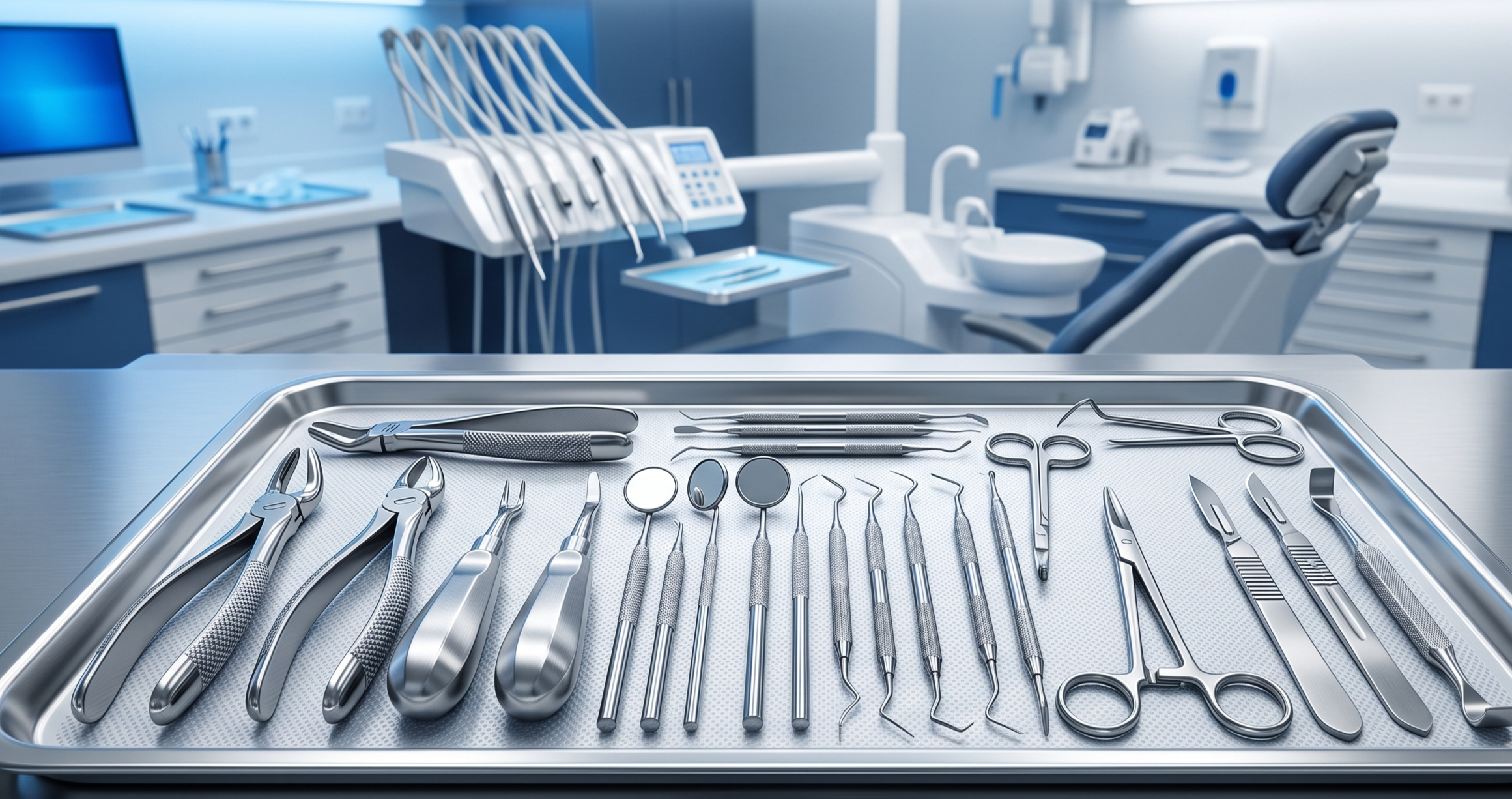
Dental Instruments
- Extraction Forceps
- Elevators
- Scalers
- Curettes
- Dental Mirrors
- Bone Files
ENT Instruments
- Ear Speculums
- Nasal Forceps
- Laryngoscope Accessories
- Sinus Instruments
Gynecology Instruments
- Vaginal Speculums
- Uterine Forceps
- Curettes
- Cervical Dilators
Cardiovascular Instruments
- Vascular Clamps
- Micro Needle Holders
- Coronary Scissors
- Vessel Dilators
Neurosurgery Instruments
- Micro Forceps
- Micro Scissors
- Retractors
- Suction Tubes
Veterinary Surgical Instruments
Many factories also manufacture instruments specifically designed for veterinary clinics and animal hospitals.
Manufacturing Process in a Surgical Instruments Factory
Producing premium surgical instruments involves multiple carefully controlled stages.
1. Raw Material Selection
Manufacturing begins with selecting premium medical-grade stainless steel.
Common grades include:
- AISI 420
- AISI 410
- AISI 440A
- AISI 440C
- German stainless steel
- Japanese stainless steel
The material selection determines corrosion resistance, hardness, and durability.
2. Forging
Steel is heated and forged into the basic instrument shape.
Forging improves:
- Structural strength
- Grain alignment
- Durability
- Mechanical performance
3. CNC Machining
Computer-controlled machines create precise dimensions and intricate designs with exceptional accuracy.
Benefits include:
- Consistency
- High precision
- Reduced manufacturing errors
- Faster production
4. Grinding
Experienced technicians refine each instrument to achieve exact specifications.
Grinding ensures:
- Sharp edges
- Accurate dimensions
- Smooth surfaces
5. Heat Treatment
Heat treatment enhances hardness while maintaining flexibility where required.
This process increases:
- Wear resistance
- Strength
- Long-term performance
6. Polishing
Different polishing options include:
- Mirror Finish
- Satin Finish
- Matte Finish
Polishing improves appearance while reducing corrosion risk.
7. Assembly
Multi-component instruments are assembled using precision alignment techniques.
Examples include:
- Scissors
- Needle holders
- Bone forceps
- Rongeurs
8. Passivation
Chemical passivation removes contaminants and enhances corrosion resistance.
This process extends instrument lifespan.
9. Quality Inspection
Each instrument undergoes multiple inspections before packaging.
10. Packaging
Packaging options include:
- Individual poly bags
- Blister packs
- Sterile packaging
- Custom OEM boxes
- Hospital-grade cartons
Materials Used
High-quality factories use premium materials such as:
| Material | Advantages |
|---|---|
| Stainless Steel 420 | Excellent corrosion resistance |
| Stainless Steel 440A | Good hardness |
| Stainless Steel 440C | Superior edge retention |
| Titanium | Lightweight and non-magnetic |
| Tungsten Carbide Inserts | Longer cutting life |
| Medical-Grade Plastics | Durable handles and accessories |
Quality Control Procedures
A reliable Surgical Instruments Factory follows strict quality control throughout production.
Inspection stages include:
- Raw material inspection
- Dimensional verification
- Hardness testing
- Surface finish inspection
- Alignment testing
- Cutting performance testing
- Joint movement testing
- Corrosion resistance testing
- Final visual inspection
- Packaging inspection
Modern factories use digital measuring equipment to maintain precise tolerances.
International Certifications
Reputable manufacturers comply with international standards including:
ISO 13485
Quality management system for medical devices.
CE Marking
Demonstrates conformity with European medical device regulations.
FDA Registration
Required for many medical device manufacturers exporting to the United States.
GMP Compliance
Ensures manufacturing follows Good Manufacturing Practices.
These certifications enhance customer confidence and facilitate international trade.
OEM & Private Label Manufacturing
Many distributors choose OEM manufacturing for brand development.
OEM services include:
- Custom logo engraving
- Laser marking
- Private labeling
- Custom packaging
- Product customization
- New product development
- Customized instrument sets
- Branding support
Private-label manufacturing enables distributors to build their own product identity while relying on an experienced manufacturing partner.
Industries Served
A professional Surgical Instruments Factory supplies:
- Hospitals
- Medical distributors
- Surgical wholesalers
- Healthcare procurement companies
- Government tenders
- Military hospitals
- Dental clinics
- Veterinary hospitals
- Universities
- Medical training institutes
Advantages of Working with a Surgical Instruments Factory
Partnering directly with a manufacturer offers several benefits:
Better Pricing
Eliminating intermediaries results in competitive factory pricing.
Consistent Quality
Direct manufacturers maintain strict production standards.
Custom Manufacturing
Factories can produce instruments according to customer drawings and specifications.
Bulk Production
Large-scale facilities efficiently fulfill high-volume orders.
Reliable Delivery
Professional production planning helps ensure timely shipments.
Technical Support
Manufacturers provide expert guidance on product selection and customization.
Long-Term Partnership
Factories support ongoing product development and repeat orders.
Surgical Instruments Factory vs Trading Company
| Feature | Factory | Trading Company |
|---|---|---|
| Manufacturing | Yes | No |
| Quality Control | Direct | Limited |
| Customization | Extensive | Limited |
| OEM Services | Yes | Sometimes |
| Pricing | Factory Direct | Higher |
| Technical Expertise | High | Moderate |
| Production Monitoring | Full Control | Limited |
Working directly with a factory generally offers better transparency, pricing, and customization opportunities.
How to Choose the Right Surgical Instruments Factory
Consider these important factors:
Manufacturing Experience
Look for a factory with years of expertise in surgical instrument production.
Certifications
Verify ISO 13485, CE, FDA, and other applicable certifications.
Product Range
Choose a supplier offering comprehensive instrument categories.
Quality Assurance
Ask about inspection procedures and testing methods.
OEM Capabilities
Confirm the ability to customize products and packaging.
Export Experience
Experienced exporters understand international documentation and shipping requirements.
Customer Support
Reliable communication ensures smooth order management.
Global Export Capabilities
Leading surgical instrument factories export worldwide, serving customers in:
- North America
- Europe
- Middle East
- Africa
- Asia-Pacific
- Latin America
International shipping options include:
- Air Freight
- Sea Freight
- Courier Services
Manufacturers also assist with:
- Commercial invoices
- Packing lists
- Certificates of origin
- Export documentation
- Product labeling
- Customs requirements
Future Trends in Surgical Instrument Manufacturing
The industry continues to evolve with technological advancements.
Emerging trends include:
- Smart manufacturing
- CNC automation
- AI-assisted quality inspection
- Laser marking technology
- Robotic polishing
- Sustainable manufacturing practices
- Advanced stainless steel alloys
- Eco-friendly packaging
- Digital production tracking
- Precision engineering innovations
Factories investing in modern technologies remain competitive in the global healthcare market.
Why Choose Professional Enterprises as Your Manufacturing Partner?
Professional Enterprises is committed to manufacturing high-quality surgical instruments that meet the evolving needs of healthcare professionals worldwide. Our factory combines skilled craftsmanship with advanced production techniques to deliver precision instruments that comply with international quality standards.
We offer:
- General and specialized surgical instruments
- OEM and private-label manufacturing
- Custom instrument development
- Strict quality control
- Competitive factory pricing
- Worldwide export support
- Timely order fulfillment
- Professional customer service
Whether you are sourcing instruments for hospitals, distributors, wholesalers, or medical brands, Professional Enterprises is dedicated to providing reliable products and long-term business partnerships.
Frequently Asked Questions (FAQs)
What does a surgical instruments factory manufacture?
A surgical instruments factory produces precision medical instruments used in general surgery, orthopedics, dental procedures, cardiovascular surgery, ENT, gynecology, neurosurgery, and many other specialties.
What materials are used?
Most reusable surgical instruments are manufactured using medical-grade stainless steel such as AISI 420, 440A, and 440C. Titanium and tungsten carbide are also used for specialized instruments.
Can factories manufacture OEM products?
Yes. Most leading factories provide OEM services, including custom branding, laser engraving, packaging, and product design.
Are surgical instruments tested before shipment?
Yes. Quality instruments undergo multiple inspections, including dimensional checks, hardness testing, functional testing, corrosion resistance evaluation, and final visual inspection.
Which industries purchase directly from factories?
Hospitals, distributors, importers, wholesalers, medical suppliers, government procurement agencies, dental clinics, and veterinary hospitals commonly purchase directly from manufacturers.
Conclusion
Choosing the right Surgical Instruments Factory is essential for ensuring quality, reliability, and long-term business success. A reputable manufacturer combines advanced production technology, skilled craftsmanship, rigorous quality control, and international certifications to produce instruments that healthcare professionals can trust.