
The Expensive Lesson a Clinic Owner Shared With Me
A few years ago, I was discussing surgical instruments with a clinic owner who had recently invested in new dental chairs, premium forceps, and modern diagnostic equipment.
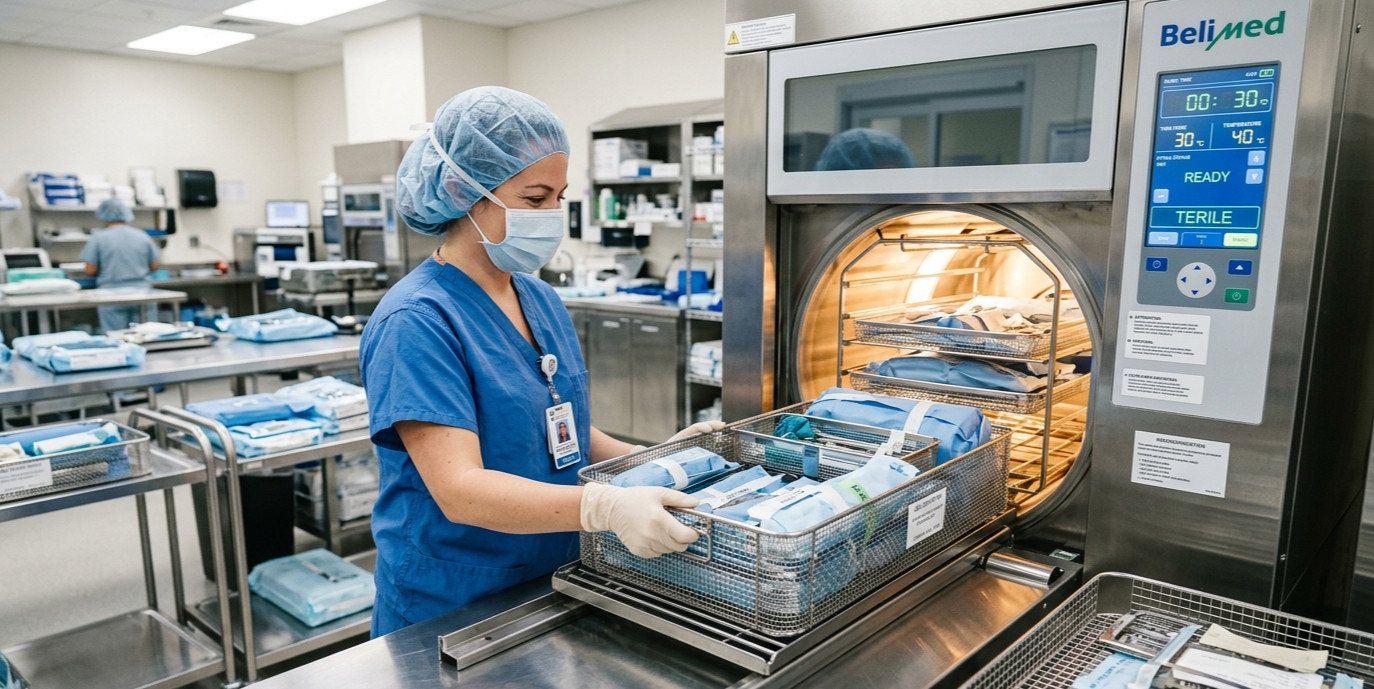
While showing me around the clinic, he stopped in front of an autoclave and said something I didn’t expect:
“That machine protects my reputation more than any other equipment in this building.”
At first, it sounded like an exaggeration.
How could a sterilization machine be more important than the instruments doctors actually use?
His explanation was simple. A patient may never notice the autoclave sitting in a corner of the sterilization room, but every instrument that touches a patient depends on it.
If sterilization fails, patient safety is at risk.
That conversation changed the way I viewed medical autoclaves. They aren’t just pieces of equipment. They are the backbone of infection control in hospitals, dental clinics, laboratories, and veterinary practices.
If you’re researching medical autoclaves for a clinic, healthcare facility, or educational purpose, understanding how they work can help you avoid costly mistakes and make smarter purchasing decisions.
What Is a Medical Autoclave?
A medical autoclave is a sterilization machine that uses high-pressure steam to eliminate harmful microorganisms from medical instruments and equipment.
These microorganisms include:
- Bacteria
- Viruses
- Fungi
- Microbial spores
Unlike ordinary cleaning, sterilization aims to destroy nearly all forms of microbial life.
This is why autoclaves are considered essential in healthcare environments where patient safety is a priority.
Why Cleaning Alone Is Not Enough
One mistake many beginners make is assuming that a shiny instrument is a safe instrument.
That’s not always true.
Imagine a dental extraction forceps that has been thoroughly washed and polished. It may look spotless, but microscopic organisms can still remain on its surface.
Cleaning removes visible debris.
Sterilization removes invisible threats.
This distinction is one of the most important concepts in infection control.
How Does a Medical Autoclave Work?
The science behind an autoclave is surprisingly straightforward.
The machine creates a controlled environment where steam, pressure, and heat work together to destroy microorganisms.
Step 1: Instrument Preparation
Instruments are cleaned and inspected before sterilization.
This step is critical because dried blood or debris can interfere with the process.
Step 2: Loading the Chamber
The instruments are placed inside the autoclave chamber.
Proper spacing allows steam to circulate freely.
Step 3: Air Removal
The machine removes air from the chamber.
This allows steam to contact all instrument surfaces effectively.
Step 4: Steam Sterilization
Pressurized steam raises the temperature high enough to destroy microorganisms.
Step 5: Drying Phase
Excess moisture is removed.
Dry instruments are easier to store and maintain sterility.
Step 6: Storage
Sterilized instruments are stored until needed.
Where Are Medical Autoclaves Used?
Most people associate autoclaves with hospitals, but they are used in many healthcare settings.
Dental Clinics
Dental instruments are sterilized between patients.
Hospitals
Surgical instruments are processed continuously throughout the day.
Veterinary Clinics
Animal healthcare facilities rely on autoclaves just as much as human healthcare providers.
Laboratories
Research equipment often requires sterilization.
Medical Training Institutes
Students learn sterilization protocols using autoclaves.
A Real-World Example
Let’s say a dental clinic treats 20 patients per day.
Each patient may require several instruments.
By the end of the day, hundreds of instruments could pass through the sterilization process.
Without a reliable autoclave, the clinic would struggle to maintain safe operations.
This is why many successful clinics consider their autoclave one of their most valuable investments.
Different Types of Medical Autoclaves
Not every healthcare facility requires the same type of sterilizer.
Tabletop Autoclaves
These compact units are common in:
- Dental clinics
- Small medical practices
- Veterinary offices
Benefits
- Space-saving
- Affordable
- Easy to operate
Vertical Autoclaves
These units offer greater capacity.
Common Applications
- Laboratories
- Medium-sized healthcare facilities
Horizontal Autoclaves
Large hospitals often use these systems.
Advantages
- High capacity
- Faster workflow
- Suitable for large instrument volumes
Pre-Vacuum Autoclaves
These machines remove air before introducing steam.
Benefits
- Better steam penetration
- Improved efficiency
- Suitable for wrapped instruments
Common Autoclave Mistakes
Over the years, I’ve spoken with clinic owners, dental assistants, and instrument suppliers. Several mistakes appear repeatedly.
Overloading the Chamber
Trying to sterilize too many instruments at once reduces steam circulation.
This can affect sterilization quality.
Skipping Routine Maintenance
Many people only think about maintenance after a problem occurs.
Preventive maintenance is usually far cheaper than emergency repairs.
Using Poor Water Quality
Hard water can create scale buildup inside the machine.
This often shortens equipment lifespan.
Ignoring Warning Signs
Small leaks, unusual noises, or longer cycle times should never be ignored.
These issues often become expensive repairs later.
How to Choose the Right Medical Autoclave
Choosing an autoclave involves more than comparing prices.
Consider Daily Workload
How many instruments require sterilization each day?
A busy dental clinic may need a larger capacity than a small practice.
Check Chamber Size
A larger chamber can improve efficiency by reducing the number of cycles required.
Evaluate Technical Support
One question many buyers forget to ask:
“Who will repair the machine if it breaks down?”
Reliable service support is extremely important.
Review Operating Costs
Some machines consume more water and energy than others.
Long-term costs matter just as much as purchase price.
Maintenance Tips That Can Save Thousands
One experienced technician shared a useful piece of advice with me:
“Most autoclave failures start as small problems.”
Simple habits can significantly extend machine life.
Keep the Chamber Clean
Residue buildup affects performance.
Inspect Door Seals Regularly
Damaged seals can reduce pressure efficiency.
Monitor Water Quality
Good water quality helps prevent scale formation.
Record Maintenance Activities
A maintenance log helps identify recurring issues.
Train Staff Properly
Many operational problems result from incorrect use rather than equipment defects.
The Hidden Cost of Downtime
Most buyers focus on purchase price.
Experienced clinic owners focus on downtime.
If an autoclave stops working unexpectedly:
- Procedures may be delayed
- Instrument availability decreases
- Patient scheduling becomes difficult
This is why reliability often matters more than advanced features.
Future Trends in Medical Autoclaves
Modern sterilization technology continues to evolve.
New developments include:
- Touchscreen controls
- Digital cycle monitoring
- Remote diagnostics
- Energy-efficient operation
- Automated maintenance reminders
These improvements help healthcare facilities improve efficiency and compliance.
Frequently Asked Questions
What is the main purpose of a medical autoclave?
A medical autoclave sterilizes instruments and equipment using pressurized steam, helping eliminate harmful microorganisms.
How often should an autoclave be serviced?
Service schedules vary by manufacturer, but routine inspections and preventive maintenance are essential.
Can all instruments be sterilized in an autoclave?
No. Some materials are heat-sensitive and may be damaged during steam sterilization.
Why is steam used instead of dry heat?
Steam transfers heat more effectively and penetrates surfaces better than dry air.
What is the most common autoclave mistake?
Overloading the chamber is one of the most frequent mistakes because it restricts steam circulation.
How long does an autoclave cycle take?
Depending on the load and cycle type, sterilization can take anywhere from 20 to 60 minutes or longer.
Is a tabletop autoclave sufficient for a dental clinic?
For many dental practices, a quality tabletop autoclave provides adequate capacity and performance.
How can I increase the lifespan of my autoclave?
Use high-quality water, follow maintenance schedules, train staff properly, and address minor issues before they become major problems.
Are expensive autoclaves always better?
Not necessarily. The best autoclave is one that matches your workload, budget, and service support requirements.
What should first-time buyers focus on?
Capacity, reliability, service availability, maintenance costs, and long-term performance should be prioritized over price alone.
Final Thoughts
A medical autoclave may not be the most visible piece of equipment in a healthcare facility, but it is one of the most important. From protecting patients to ensuring regulatory compliance, proper sterilization affects every aspect of clinical practice.