

Introduction
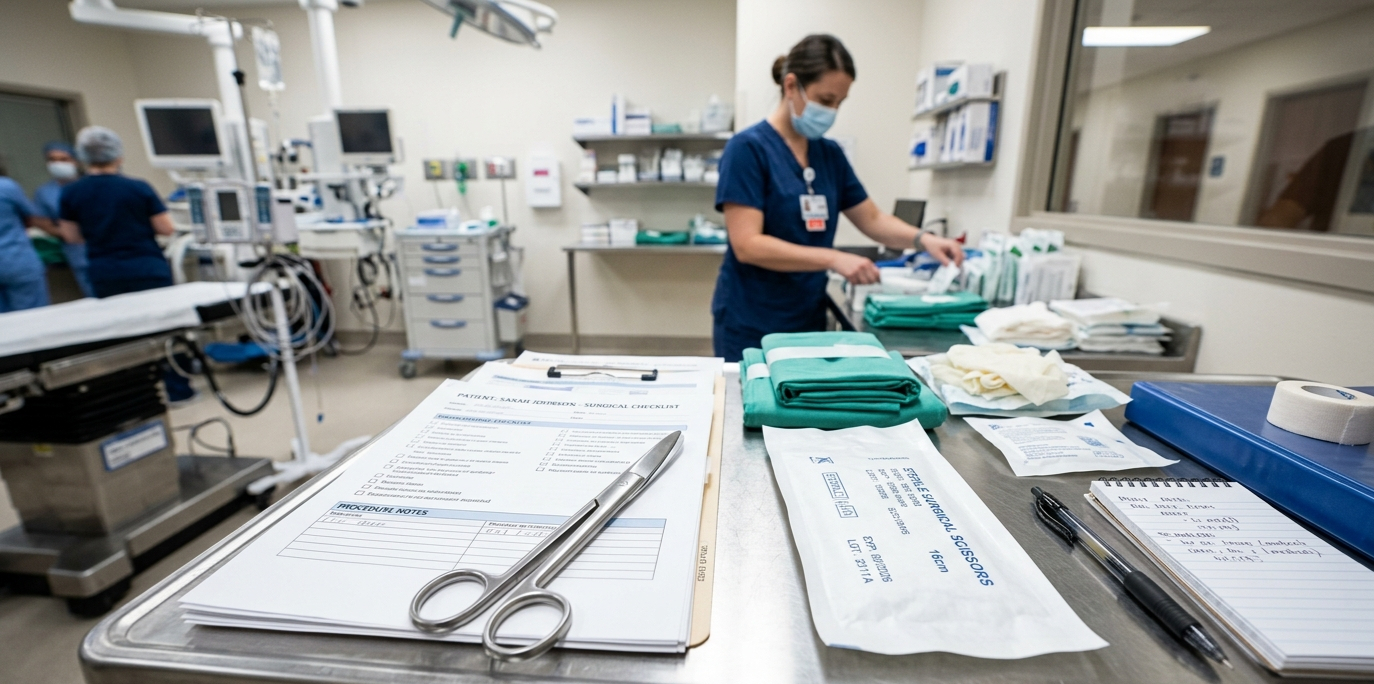
Paper scissors are essential cutting instruments widely used in hospitals, clinics, laboratories, sterilization departments, and surgical facilities. Although originally designed for cutting paper and packaging materials, medical-grade paper scissors have become indispensable tools in healthcare environments where precision, efficiency, and safety are critical.
In modern medical settings, paper scissors are commonly used for opening sterile packaging, cutting surgical wraps, trimming paper-based materials, and assisting with various non-tissue cutting tasks. Their sharp blades, ergonomic design, and durable construction make them valuable instruments for healthcare professionals.
As hospitals continue to emphasize infection control and efficient workflow management, the demand for high-quality paper scissors remains strong. This article explores the features, types, applications, benefits, materials, and maintenance requirements of paper scissors in medical and professional environments.
What Are Paper Scissors?
Paper scissors are cutting instruments specifically designed to cut paper, cardboard, sterile wraps, labels, packaging materials, and other lightweight non-metallic materials. Unlike surgical scissors used for cutting tissue, paper scissors are intended for non-clinical cutting tasks that support healthcare operations.
Medical-grade paper scissors are manufactured from high-quality stainless steel and feature sharp cutting edges that provide clean and precise cuts. They are commonly included in hospital supply departments, sterilization units, operating rooms, and laboratory facilities.
Their simple design and reliable performance make them one of the most frequently used support instruments in healthcare environments.
Importance of Paper Scissors in Healthcare Facilities
Paper scissors may seem like a basic instrument, but they play a significant role in maintaining workflow efficiency.
Healthcare professionals frequently use paper scissors to:
- Open sterile packaging
- Cut surgical wraps
- Trim labels and identification tags
- Prepare documentation materials
- Manage supply packaging
- Support sterilization procedures
- Organize medical inventory
By providing clean and efficient cutting performance, paper scissors help reduce delays and improve workplace productivity.
Features of High-Quality Paper Scissors
The effectiveness of paper scissors depends on their design and manufacturing quality.
Sharp Cutting Blades
High-quality blades ensure smooth cutting without tearing or damaging materials.
Stainless Steel Construction
Medical-grade stainless steel offers:
- Corrosion resistance
- Long service life
- Easy sterilization
- Superior durability
Ergonomic Finger Rings
Comfortable handles reduce hand fatigue during repeated use.
Precision Alignment
Proper blade alignment ensures consistent cutting performance.
Lightweight Design
Lightweight construction improves maneuverability and user comfort.
Types of Paper Scissors
Several types of paper scissors are available for healthcare and professional applications.
Standard Paper Scissors
These scissors are designed for general-purpose cutting tasks and are commonly found in offices, hospitals, and laboratories.
Uses
- Paper cutting
- Label trimming
- Documentation preparation
Heavy-Duty Paper Scissors
Heavy-duty models feature stronger blades capable of cutting thicker materials.
Uses
- Cardboard cutting
- Packaging materials
- Sterile wrap preparation
Medical Paper Scissors
Medical paper scissors are specifically designed for hospital and clinical environments.
Uses
- Sterile packaging
- Surgical wrap cutting
- Inventory management
Utility Paper Scissors
Utility scissors provide versatility for multiple cutting applications.
Uses
- Medical supply preparation
- Administrative tasks
- General facility operations
Materials Used in Paper Scissors
The choice of material directly affects the durability and performance of paper scissors.
Surgical Stainless Steel
Most medical paper scissors are manufactured from surgical stainless steel because of its:
- Corrosion resistance
- Strength
- Longevity
- Sterilization compatibility
Carbon Steel
Carbon steel blades provide exceptional sharpness but require proper maintenance to prevent corrosion.
Titanium-Coated Scissors
Titanium coatings improve:
- Blade durability
- Corrosion resistance
- Cutting efficiency
Hybrid Materials
Some premium scissors combine stainless steel with specialized coatings to maximize performance.
Applications of Paper Scissors
Paper scissors are used in various healthcare and professional environments.
Hospitals
Hospitals use paper scissors for:
- Opening sterile packages
- Managing patient documentation
- Preparing medical supplies
Surgical Centers
Surgical staff rely on paper scissors to handle:
- Sterile wraps
- Procedure documentation
- Supply packaging
Laboratories
Laboratory personnel use paper scissors for:
- Sample labeling
- Packaging preparation
- Documentation management
Dental Clinics
Dental practices utilize paper scissors for:
- Opening sterile instruments
- Preparing treatment materials
- Administrative tasks
Veterinary Facilities
Veterinary clinics use paper scissors similarly to human healthcare facilities.
Advantages of Using High-Quality Paper Scissors
Investing in premium paper scissors provides numerous benefits.
Improved Efficiency
Sharp blades reduce cutting effort and improve workflow speed.
Enhanced Precision
Clean cuts improve presentation and material handling.
Reduced Waste
Accurate cutting minimizes material loss.
Long-Term Durability
Quality materials extend instrument lifespan.
Better User Comfort
Ergonomic designs reduce strain during repetitive tasks.
How Paper Scissors Support Sterilization Departments
Sterilization departments depend heavily on paper scissors.
Opening Sterile Supplies
Scissors allow staff to access packaged materials safely and efficiently.
Cutting Sterilization Wraps
Paper scissors provide precise cuts that help maintain organization and workflow.
Label Preparation
Proper labeling is essential for inventory tracking and sterilization records.
Packaging Management
Scissors facilitate preparation and organization of medical supplies.
Characteristics of Professional Medical Paper Scissors
Professional-grade paper scissors possess several important characteristics.
Smooth Blade Action
The blades should open and close effortlessly.
Strong Cutting Edge
Sharpness must be maintained through repeated use.
Corrosion Resistance
Frequent cleaning requires materials that resist rust and staining.
Reliable Performance
Consistent cutting quality is essential in healthcare settings.
Easy Maintenance
The instrument should be simple to clean and inspect.
Choosing the Right Paper Scissors
Selecting suitable paper scissors depends on intended use.
Consider Material Thickness
Different scissors perform better with specific materials.
Evaluate Blade Length
Longer blades may improve efficiency for larger cutting tasks.
Assess Handle Design
Comfortable handles enhance usability.
Review Material Quality
Premium materials improve durability and performance.
Verify Healthcare Compatibility
Medical facilities should select instruments that meet professional standards.
Maintenance and Care of Paper Scissors
Proper maintenance ensures optimal performance and longevity.
Cleaning Procedures
After use:
- Remove debris
- Wipe blades thoroughly
- Clean with approved solutions
- Dry completely
Inspection
Regularly inspect for:
- Blade damage
- Loose joints
- Corrosion
- Alignment issues
Sharpening
Periodic sharpening helps maintain cutting efficiency.
Proper Storage
Store scissors in clean, dry environments to prevent damage.
Common Challenges with Low-Quality Paper Scissors
Inferior scissors often create operational problems.
Dull Blades
Poor-quality blades lose sharpness quickly.
Misalignment
Improper alignment results in uneven cutting.
Corrosion
Low-grade materials may rust over time.
Handle Discomfort
Poor ergonomics can increase hand fatigue.
Frequent Replacement
Cheap scissors often require more frequent replacement.
Paper Scissors in Modern Healthcare Operations
Healthcare facilities continue to rely on paper scissors despite increasing digitalization and automation. Many routine tasks still require physical document handling, packaging preparation, and supply management.
Modern paper scissors are designed to support these operational needs while maintaining high standards of performance and durability.
Manufacturers continue to improve blade technology, ergonomic features, and material quality to meet evolving healthcare requirements.
Why Healthcare Facilities Need Reliable Paper Scissors
Reliable paper scissors contribute to:
- Improved productivity
- Efficient supply management
- Better organization
- Reduced material waste
- Enhanced workplace safety
Although often overlooked, these instruments are important tools that support daily healthcare operations.
Future Trends in Paper Scissor Manufacturing
Manufacturers are introducing innovations such as:
- Titanium-coated blades
- Enhanced ergonomic handles
- Advanced corrosion-resistant materials
- Precision blade engineering
- Sustainable manufacturing processes
These developments help improve cutting performance and instrument longevity.
Conclusion
Paper scissors remain essential instruments in hospitals, clinics, laboratories, dental practices, and other healthcare facilities. Their ability to provide clean, accurate cuts makes them valuable tools for packaging management, documentation preparation, sterilization support, and general operational tasks.