

Introduction
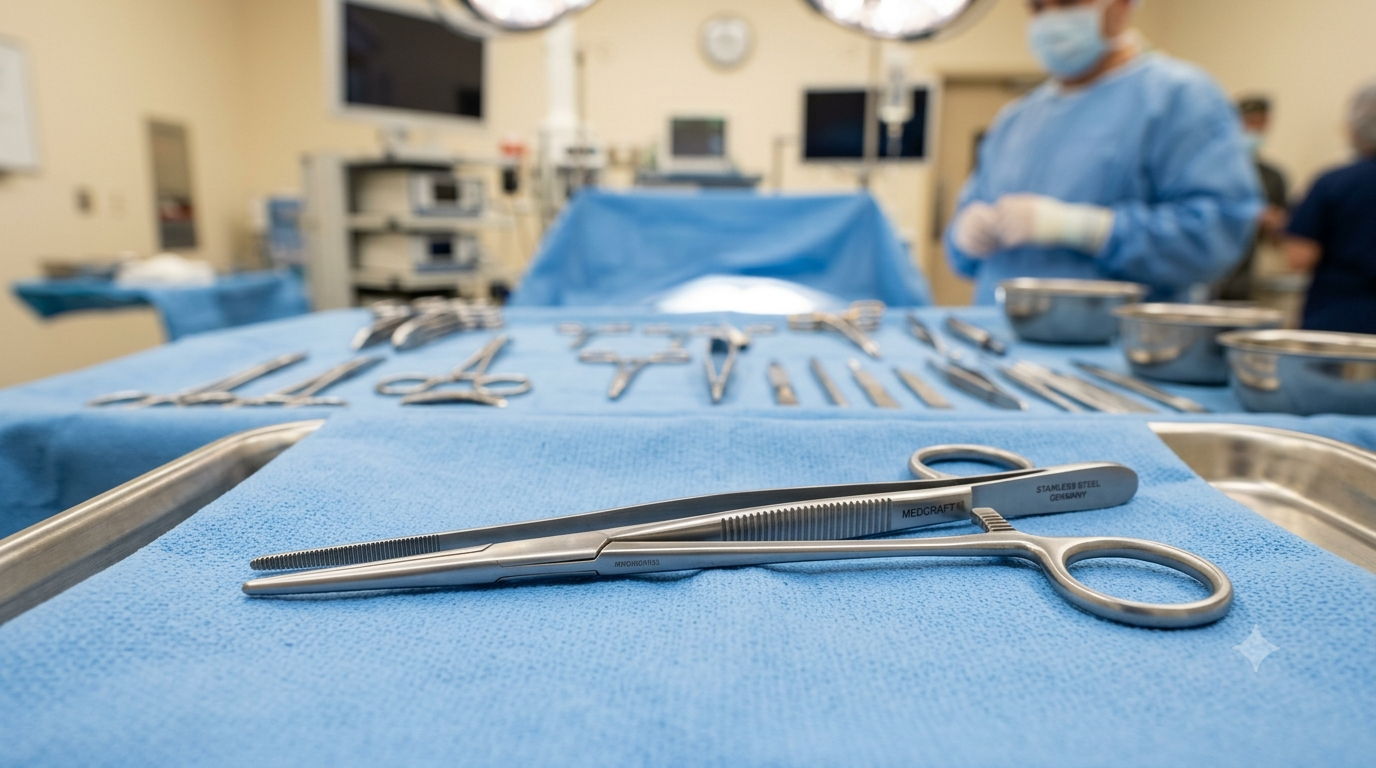
Tissue forceps are among the most commonly used surgical instruments in medical, dental, veterinary, and laboratory procedures. Designed to grasp, hold, and manipulate tissues during operations, tissue forceps provide surgeons with the precision and control necessary for successful surgical outcomes. Their simple yet highly functional design makes them indispensable tools in operating rooms worldwide.
Whether used in general surgery, dental procedures, plastic surgery, or microsurgery, tissue forceps help healthcare professionals handle delicate tissues with minimal trauma. As surgical techniques continue to advance, the demand for high-quality tissue forceps has increased significantly due to their crucial role in ensuring patient safety and procedural efficiency.
In this article, we will explore tissue forceps, their types, uses, features, benefits, materials, and factors to consider when purchasing these essential surgical instruments.
What Are Tissue Forceps?
Tissue forceps are handheld surgical instruments designed to grasp, stabilize, and manipulate tissue during surgical procedures. They resemble tweezers and consist of two arms joined at one end, allowing controlled pressure when holding tissues.
Unlike dressing forceps, which are primarily used for handling dressings and non-living materials, tissue forceps are specifically engineered to provide a secure grip on living tissues. Many tissue forceps feature teeth at their tips to improve grip and reduce slippage during surgical procedures.
These instruments are commonly found in surgical trays and are considered essential tools for surgeons, dentists, and medical professionals.
Importance of Tissue Forceps in Surgery
The primary purpose of tissue forceps is to allow precise tissue handling while minimizing damage. Proper tissue manipulation is critical during surgical procedures because excessive force or poor instrument selection can result in tissue trauma, delayed healing, or surgical complications.
Key Benefits of Tissue Forceps
- Provide excellent control during surgery
- Reduce tissue trauma when used correctly
- Improve surgical precision
- Enhance procedural efficiency
- Allow accurate tissue positioning
- Support wound closure and suturing procedures
- Facilitate delicate surgical operations
Because of these advantages, tissue forceps are used across virtually every surgical specialty.
Types of Tissue Forceps
There are several types of tissue forceps available, each designed for specific surgical applications.
1. Adson Tissue Forceps
Adson tissue forceps are among the most commonly used forceps in general and plastic surgery. They feature fine tips with teeth that provide a secure grip on delicate tissues.
Applications:
- Skin closure
- Plastic surgery
- General surgical procedures
- Dermatological procedures
2. Brown-Adson Tissue Forceps
Brown-Adson tissue forceps have multiple interlocking teeth that distribute pressure more evenly across tissues.
Applications:
- Reconstructive surgery
- Plastic surgery
- Delicate tissue handling
3. Rat Tooth Tissue Forceps
Rat tooth forceps feature prominent teeth that provide a strong grip on tougher tissues.
Applications:
- General surgery
- Orthopedic procedures
- Tissue stabilization
4. Debakey Tissue Forceps
Debakey tissue forceps are designed for atraumatic tissue handling. Instead of teeth, they feature fine ridges that reduce tissue injury.
Applications:
- Cardiovascular surgery
- Vascular procedures
- Delicate tissue manipulation
5. Russian Tissue Forceps
Russian tissue forceps have spoon-shaped tips with serrations that provide a firm yet gentle grip.
Applications:
- Gynecological surgery
- General surgery
- Soft tissue procedures
6. Gerald Tissue Forceps
Gerald forceps are fine, delicate instruments commonly used in microsurgery.
Applications:
- Ophthalmic surgery
- Microsurgery
- Plastic surgery
Components of Tissue Forceps
Understanding the anatomy of tissue forceps helps healthcare professionals choose the appropriate instrument.
Tips
The tips are the working ends of the forceps and may feature:
- Teeth
- Serrations
- Smooth surfaces
- Fine ridges
Arms
The arms provide flexibility and allow controlled pressure during use.
Handle Area
The handle portion is designed to provide a secure grip and improve maneuverability.
Spring Mechanism
Most tissue forceps rely on spring tension that automatically opens the instrument when pressure is released.
Materials Used in Tissue Forceps
The quality and durability of tissue forceps largely depend on the materials used during manufacturing.
Stainless Steel
High-grade surgical stainless steel is the most commonly used material because it offers:
- Corrosion resistance
- Durability
- Sterilization compatibility
- Long service life
Titanium
Titanium tissue forceps are lightweight and highly resistant to corrosion.
Benefits include:
- Reduced hand fatigue
- Non-magnetic properties
- Exceptional strength
Tungsten Carbide Inserts
Some premium forceps feature tungsten carbide inserts to improve grip and longevity.
Common Uses of Tissue Forceps
General Surgery
In general surgery, tissue forceps are used to grasp tissues during dissection, suturing, and wound closure.
Dental Procedures
Dental professionals use tissue forceps to handle oral tissues during extractions, implant placement, and periodontal procedures.
Plastic Surgery
Plastic surgeons rely on delicate tissue forceps to minimize scarring and tissue damage.
Cardiovascular Surgery
Debakey tissue forceps are commonly used during vascular and cardiac procedures where atraumatic tissue handling is essential.
Veterinary Surgery
Veterinarians use tissue forceps for soft tissue procedures and wound management.
Gynecological Procedures
Tissue forceps help stabilize tissues during examinations and surgical interventions.
How Tissue Forceps Improve Surgical Precision
Modern surgical procedures demand exceptional precision. Tissue forceps contribute significantly by allowing surgeons to:
- Secure tissues accurately
- Reduce unnecessary movement
- Maintain visibility of the surgical field
- Improve suturing accuracy
- Enhance overall procedural control
The ability to manipulate tissues with confidence often determines the success of a procedure.
Features of High-Quality Tissue Forceps
When selecting tissue forceps, healthcare facilities should evaluate several important features.
Precision Manufacturing
Accurate tip alignment ensures proper tissue grip and functionality.
Ergonomic Design
Comfortable handling reduces hand fatigue during lengthy procedures.
Superior Material Quality
Premium-grade stainless steel enhances durability and corrosion resistance.
Sterilization Compatibility
The instrument should withstand repeated sterilization cycles without degradation.
Consistent Spring Tension
Balanced tension allows smooth operation and improved control.
Choosing the Right Tissue Forceps
Selecting the appropriate tissue forceps depends on several factors.
Procedure Type
Different surgeries require different forceps designs.
Tissue Characteristics
Delicate tissues often require atraumatic forceps, while tougher tissues may need toothed forceps.
Surgeon Preference
Many surgeons develop preferences based on comfort and procedural requirements.
Instrument Quality
High-quality instruments provide better performance and longer service life.
Reusability
Reusable tissue forceps offer cost efficiency and sustainability.
Cleaning and Maintenance of Tissue Forceps
Proper maintenance extends the lifespan of surgical instruments and ensures patient safety.
Cleaning Guidelines
- Rinse immediately after use
- Remove biological debris thoroughly
- Use approved cleaning solutions
- Follow manufacturer recommendations
Sterilization
Common sterilization methods include:
- Steam autoclaving
- Chemical sterilization
- Low-temperature sterilization systems
Inspection
Regular inspection should include:
- Tip alignment checks
- Surface condition evaluation
- Corrosion assessment
- Functional testing
Advantages of Premium Tissue Forceps
Investing in premium tissue forceps provides several benefits.
Improved Performance
High-quality instruments offer superior precision and reliability.
Longer Lifespan
Premium materials withstand repeated use and sterilization.
Enhanced Patient Outcomes
Better tissue handling reduces trauma and supports faster healing.
Cost Efficiency
Durable instruments reduce replacement expenses over time.
Tissue Forceps in Modern Healthcare
As surgical techniques become increasingly sophisticated, the importance of tissue forceps continues to grow. Minimally invasive procedures, microsurgery, and robotic-assisted surgeries still rely on specialized forceps for tissue manipulation and control.
Manufacturers are continually developing innovative designs that improve ergonomics, precision, and durability. Advanced manufacturing technologies ensure tighter tolerances and higher-quality instruments that meet the demanding standards of modern healthcare facilities.
Why Healthcare Facilities Need Reliable Tissue Forceps
Hospitals, clinics, dental practices, and surgical centers depend on reliable tissue forceps to maintain procedural efficiency and patient safety.
Reliable instruments help:
- Improve surgical outcomes
- Increase procedural accuracy
- Reduce complications
- Enhance practitioner confidence
- Support infection control protocols
For these reasons, selecting trusted surgical instrument suppliers is essential.
Conclusion
Tissue forceps are indispensable surgical instruments that play a vital role in tissue handling, wound closure, and surgical precision. Available in various designs such as Adson, Brown-Adson, Debakey, Rat Tooth, Russian, and Gerald forceps, these instruments meet the diverse needs of medical professionals across multiple specialties.
Choosing high-quality tissue forceps manufactured from premium materials ensures durability, precision, and optimal performance. Whether used in general surgery, dentistry, plastic surgery, cardiovascular procedures, or veterinary medicine, tissue forceps remain a fundamental component of successful surgical practice.