

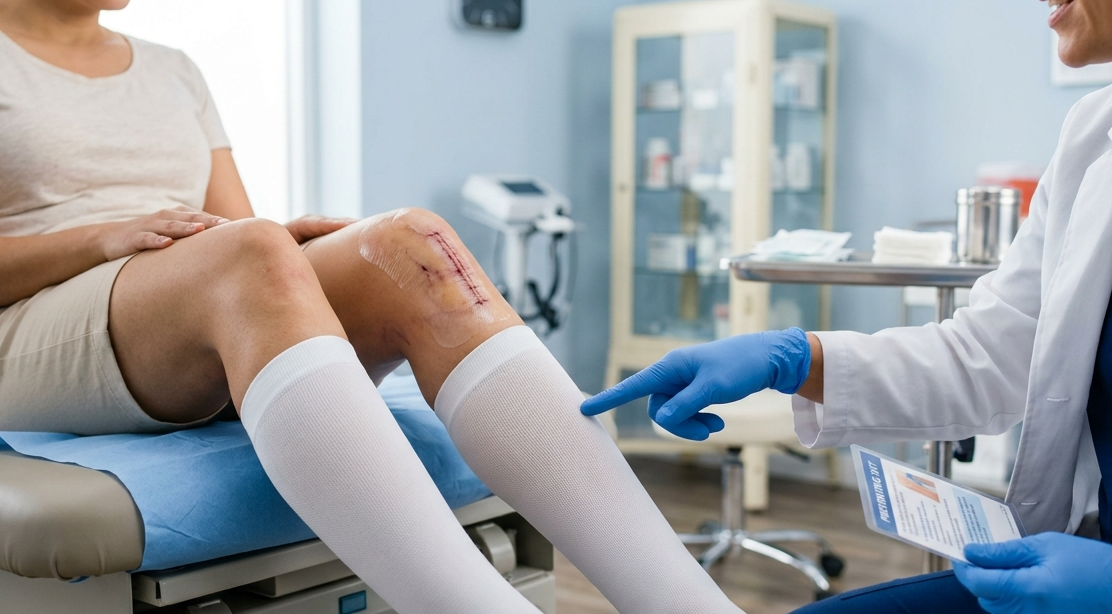
How Long to Wear Surgical Stockings After Knee Replacement?
Recovering from a knee replacement is a journey that requires patience, proper care, and following your surgeon’s instructions. One of the most common questions patients ask after returning home is, “How long to wear surgical stockings after knee replacement?”
You may feel uncomfortable wearing compression stockings all day, especially during warmer weather. However, these stockings play an important role in preventing complications while your body heals.
Knowing when to wear them, how long to keep them on each day, and when it is safe to stop using them can make your recovery smoother and reduce your risk of blood clots.
In this comprehensive guide, we’ll explain everything you need to know about surgical stockings after knee replacement surgery, including recovery timelines, benefits, common mistakes, expert recommendations, and answers to frequently asked questions.
What Are Surgical Stockings?
Surgical stockings, also called compression stockings, TED hose, or anti-embolism stockings, are specially designed elastic garments that gently squeeze your legs.
This graduated pressure helps improve blood circulation by encouraging blood to flow back toward your heart instead of pooling in your legs.
After knee replacement surgery, reduced mobility increases the risk of developing deep vein thrombosis (DVT), a serious condition where blood clots form in the deep veins of the legs.
Compression stockings help reduce this risk.
How Long to Wear Surgical Stockings After Knee Replacement?
The short answer is:
Most patients need to wear surgical stockings for 2 to 6 weeks after knee replacement surgery.
However, the exact duration depends on several factors, including:
- Your surgeon’s recommendations
- Your overall health
- Your mobility level
- Risk of blood clots
- Whether you had complications during surgery
General Timeline
| Recovery Period | Recommendation |
|---|---|
| Week 1 | Wear almost all day except bathing |
| Week 2 | Continue daily use as instructed |
| Weeks 3–4 | Many patients still require compression stockings |
| Weeks 4–6 | Some patients may discontinue with surgeon approval |
| Beyond 6 Weeks | Usually only if medically necessary |
Always follow your orthopedic surgeon’s specific instructions rather than a general timeline.
Why Are Compression Stockings Important After Knee Replacement?
Following surgery, your blood flow naturally slows because you’re moving less than usual.
Compression stockings help:
- Improve blood circulation
- Prevent blood clots
- Reduce leg swelling
- Minimize fluid buildup
- Decrease discomfort
- Support healing
- Reduce the risk of deep vein thrombosis (DVT)
They work best when combined with:
- Walking regularly
- Leg exercises
- Blood-thinning medication (if prescribed)
- Proper hydration
How Do Compression Stockings Work?
Compression stockings apply graduated pressure.
This means:
- Strongest pressure at the ankle
- Slightly less pressure at the calf
- Least pressure near the knee
This pressure helps push blood upward toward the heart, reducing pooling in the lower legs.
Who Needs to Wear Surgical Stockings Longer?
Some patients need compression stockings beyond six weeks.
These include individuals with:
- Previous blood clots
- Obesity
- Diabetes
- Poor circulation
- Limited mobility
- Varicose veins
- Heart disease
- Cancer
- Smoking history
Your doctor may recommend extended use if your clotting risk remains high.
How Many Hours a Day Should You Wear Surgical Stockings?
Most orthopedic surgeons recommend wearing them throughout the day.
Typical schedule:
- Put them on first thing in the morning.
- Wear them throughout the day.
- Remove them before bed if advised by your healthcare provider.
Some surgeons recommend wearing them both day and night during the first week, removing them only for:
- Bathing
- Skin inspection
- Washing the stockings
Always follow your surgeon’s specific instructions.
Should You Sleep with Compression Stockings On?
The answer depends on your surgeon’s advice.
Many patients are instructed to wear them while sleeping during the first several days after surgery.
Later in recovery, they are often removed at night.
Never stop wearing them overnight unless your healthcare provider says it’s safe.
What Happens If You Stop Wearing Them Too Early?
Removing compression stockings too soon may increase your risk of:
- Deep vein thrombosis
- Swollen legs
- Poor circulation
- Increased discomfort
- Delayed recovery
Although not every patient will experience complications, following your prescribed timeline offers the safest recovery.
Signs Your Legs Are Healing Well
Normal recovery may include:
- Mild swelling
- Gradual improvement in mobility
- Decreasing pain
- Better walking ability
- Reduced stiffness
Compression stockings help support this healing process.
How Tight Should Surgical Stockings Feel?
They should feel:
- Firm
- Supportive
- Snug
They should not cause:
- Severe pain
- Numbness
- Tingling
- Skin discoloration
- Cold feet
If they feel excessively tight or roll down, contact your healthcare provider.
Choosing the Correct Size
Proper sizing is essential.
Measurements usually include:
- Ankle circumference
- Calf circumference
- Leg length
Wearing the wrong size reduces effectiveness and may cause discomfort.
Tips for Putting on Compression Stockings
Many patients struggle during the first week after surgery.
Helpful tips:
Put Them On Early
Leg swelling is lowest in the morning.
Use Rubber Gloves
They provide better grip without damaging the fabric.
Avoid Folding
Rolling or folding creates pressure points.
Smooth Out Wrinkles
Wrinkles can reduce circulation.
Caring for Your Surgical Stockings
To keep them effective:
- Wash daily using mild soap.
- Air dry whenever possible.
- Avoid bleach.
- Do not use fabric softener.
- Replace damaged stockings.
Most compression stockings lose elasticity after several months of regular use.
Common Mistakes to Avoid
Removing Them Too Soon
Always follow medical advice.
Wearing the Wrong Size
Improper fit reduces compression benefits.
Rolling the Top Down
This creates a tourniquet effect.
Ignoring Skin Problems
Inspect your legs daily.
Warning Signs to Call Your Doctor
Contact your healthcare provider immediately if you notice:
- Sudden calf pain
- Severe swelling
- Chest pain
- Shortness of breath
- Redness that worsens
- Warm skin
- One leg significantly larger than the other
These may indicate a blood clot and require urgent medical attention.
Can Compression Stockings Reduce Swelling?
Yes.
One of their biggest benefits is controlling swelling.
After knee replacement, inflammation causes fluid to collect around the knee and lower leg.
Compression stockings help move excess fluid back into circulation.
Many patients notice:
- Less ankle swelling
- Reduced calf swelling
- More comfortable walking
- Better range of motion
Other Ways to Reduce Swelling After Knee Replacement
Compression stockings work even better when combined with:
Elevating Your Leg
Raise your leg above heart level several times daily.
Walking Frequently
Short walks improve circulation.
Ice Therapy
Apply ice packs according to your surgeon’s recommendations.
Physical Therapy
Exercises restore strength and flexibility.
Hydration
Drink enough water throughout recovery.
Do Compression Stockings Prevent Blood Clots Completely?
No.
They significantly reduce the risk but do not eliminate it.
Most surgeons combine compression stockings with:
- Blood-thinning medication
- Early walking
- Leg exercises
- Hydration
Using all these strategies together provides the best protection.
Frequently Asked Questions
Can I stop wearing surgical stockings after two weeks?
Only if your orthopedic surgeon says it’s safe. Many patients continue wearing them for four to six weeks.
Can I remove compression stockings while showering?
Yes. Remove them for bathing and put them back on after drying your legs completely.
Are compression stockings uncomfortable?
They may feel snug initially, but properly fitted stockings should not cause pain.
What happens if my stockings roll down?
Do not leave them rolled. Smooth them out immediately to avoid restricting blood flow.
Can I wear regular socks instead?
No. Regular socks do not provide graduated medical compression.
Should both legs wear compression stockings?
Often yes, especially if prescribed by your surgeon. Follow your healthcare provider’s instructions.
When can I stop wearing surgical stockings completely?
Most patients stop after 2–6 weeks, once mobility improves and their surgeon confirms the risk of blood clots has decreased.
Expert Recovery Tips
To recover safely after knee replacement:
- Wear compression stockings exactly as directed.
- Walk several times each day.
- Complete all physical therapy exercises.
- Stay hydrated.
- Eat a protein-rich diet.
- Avoid smoking.
- Take prescribed medications on schedule.
- Attend all follow-up appointments.
Small daily habits can significantly improve your recovery.
Conclusion
If you’re wondering how long to wear surgical stockings after knee replacement, the answer for most patients is between 2 and 6 weeks, depending on your recovery progress and individual risk factors.
Compression stockings are an essential part of post-operative care because they improve circulation, reduce swelling, and lower the risk of dangerous blood clots. While they may not always be comfortable, wearing them as directed can help ensure a smoother and safer recovery.