

Introduction
In healthcare, precision and hygiene are essential for successful patient care. Whether performing a surgical procedure, changing wound dressings, or handling sterile materials, medical professionals rely on specialized instruments that provide control, safety, and accuracy. One of the most commonly used instruments in hospitals, clinics, emergency rooms, and operating theaters is the Dressing Forceps.
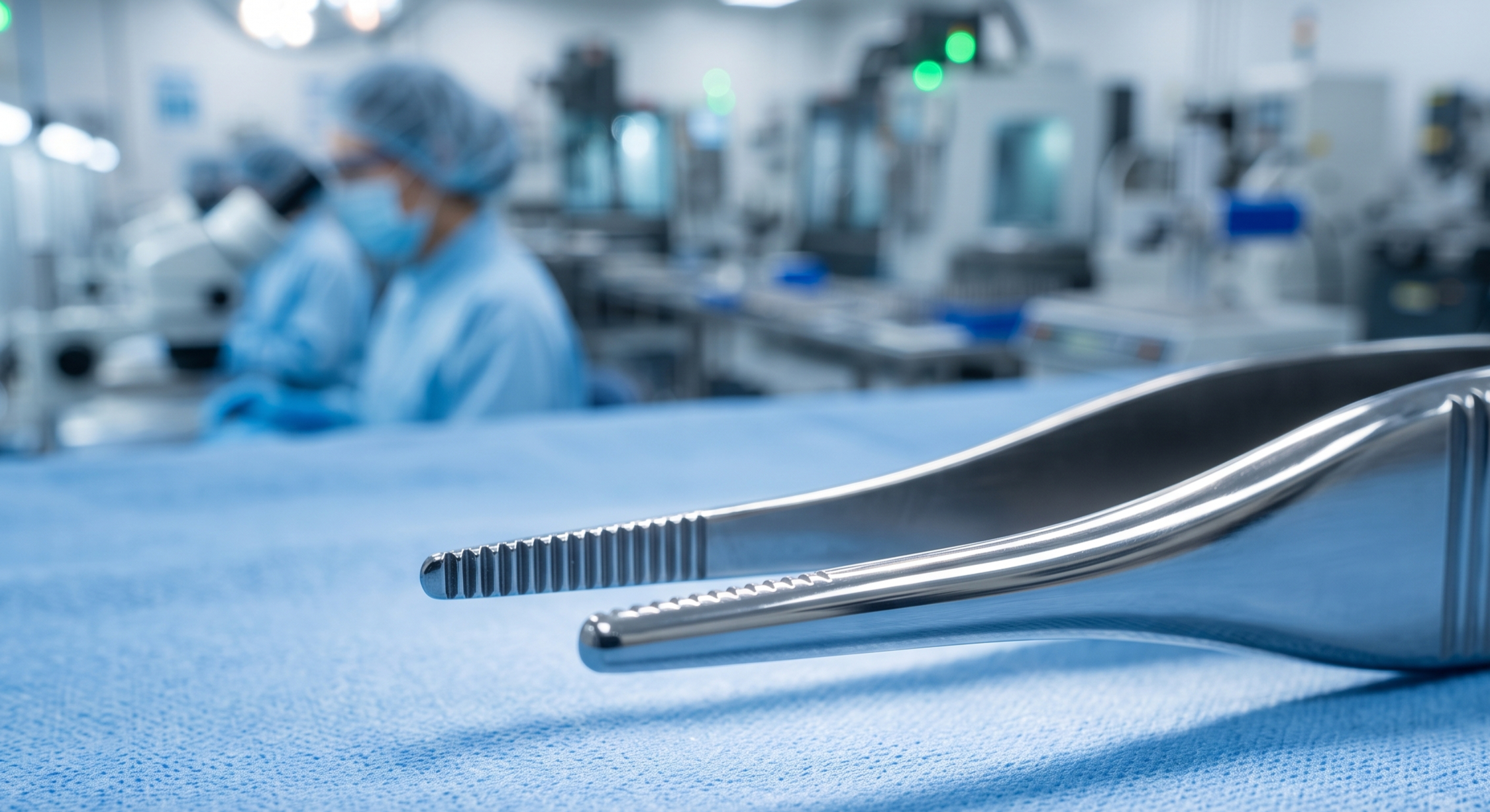
Designed to grasp dressings, gauze, cotton, sutures, and delicate tissues without causing unnecessary trauma, Dressing Forceps are indispensable in modern medicine. Their smooth serrated tips, lightweight construction, and ergonomic design make them ideal for handling sterile materials while reducing the risk of contamination.
Healthcare providers, hospitals, distributors, importers, and medical equipment suppliers all recognize the importance of selecting premium-quality Dressing Forceps manufactured from surgical-grade stainless steel. High-quality forceps ensure durability, precision, corrosion resistance, and reliable performance throughout repeated sterilization cycles.
This comprehensive guide explores everything you need to know about Dressing Forceps, including their features, types, manufacturing process, materials, surgical applications, quality standards, maintenance, OEM solutions, and why they remain one of the most essential surgical instruments in healthcare.
Table of Contents
- What Are Dressing Forceps?
- Importance of Dressing Forceps in Healthcare
- Types of Dressing Forceps
- Key Features
- Materials Used
- Manufacturing Process
- Applications in Medical Practice
- Advantages of Dressing Forceps
- Quality Standards and Certifications
- Sterilization and Maintenance
- How to Choose High-Quality Dressing Forceps
- OEM & Private Label Manufacturing
- Why Source Dressing Forceps from Pakistan?
- Frequently Asked Questions
- Conclusion
What Are Dressing Forceps?
Dressing Forceps are handheld surgical instruments designed to grasp, hold, transfer, and manipulate sterile dressings, gauze, cotton, sutures, and other medical materials during surgical and wound-care procedures.
Unlike tissue forceps, dressing forceps usually have smooth serrated tips rather than teeth. This design minimizes damage to delicate tissues and allows secure handling of sterile materials.
Their slim profile and precise gripping surfaces make them valuable in a wide range of medical settings, from routine wound dressing to complex surgical procedures.
Importance of Dressing Forceps in Healthcare
Dressing Forceps contribute significantly to infection prevention and procedural efficiency.
Their importance includes:
- Maintaining sterile technique
- Handling wound dressings safely
- Reducing contamination risks
- Protecting delicate tissues
- Improving procedural accuracy
- Enhancing patient safety
- Supporting faster wound management
- Increasing healthcare efficiency
Because they minimize direct hand contact with sterile materials, Dressing Forceps are an essential component of infection control protocols.
Types of Dressing Forceps
Different medical procedures require specific types of Dressing Forceps.
Standard Dressing Forceps
The most commonly used type for:
- Dressing changes
- Gauze placement
- Cotton handling
- General wound care
Features:
- Smooth serrated tips
- Lightweight construction
- Easy handling
Plain Dressing Forceps
Ideal for:
- Delicate dressing procedures
- General clinical use
- Sterile material handling
Advantages:
- Gentle grip
- Reduced tissue trauma
- Easy cleaning
Bayonet Dressing Forceps
Commonly used in:
- ENT procedures
- Neurosurgery
- Nasal surgery
Benefits:
- Offset design
- Improved visibility
- Enhanced access
Splinter Dressing Forceps
Suitable for:
- Removing foreign bodies
- Minor emergency procedures
- Dermatology
Features:
- Fine precision tips
- Excellent control
- Accurate gripping
Micro Dressing Forceps
Designed for:
- Microsurgery
- Ophthalmology
- Plastic surgery
Advantages:
- Fine precision
- Lightweight
- Superior maneuverability
Key Features of Dressing Forceps
A premium Dressing Forceps should include several important characteristics.
Smooth Serrated Tips
Provide secure gripping without damaging dressings or tissues.
Surgical-Grade Stainless Steel
Ensures corrosion resistance and long-term durability.
Lightweight Design
Reduces hand fatigue during prolonged procedures.
Precision Alignment
Accurate tip alignment improves gripping performance.
Ergonomic Handle
Provides comfort and better control.
Reusable Construction
Designed to withstand repeated sterilization cycles.
Satin or Mirror Finish
Available in different finishes to improve visibility and ease of cleaning.
Materials Used
High-quality Dressing Forceps are manufactured from premium medical-grade stainless steel.
AISI 420 Stainless Steel
Offers:
- Excellent corrosion resistance
- High hardness
- Long service life
AISI 440A Stainless Steel
Provides:
- Superior wear resistance
- High strength
- Excellent polishing characteristics
German Stainless Steel
Known for:
- Exceptional quality
- Precision manufacturing
- Outstanding durability
These materials ensure reliable performance in demanding clinical environments.
Manufacturing Process
Professional manufacturers follow a strict production process to ensure precision and consistency.
1. Raw Material Selection
Only certified surgical-grade stainless steel is selected after rigorous inspection.
2. Forging
The steel is forged into the basic forceps shape while maintaining structural integrity.
3. CNC Machining
Advanced CNC technology produces:
- Precise dimensions
- Uniform serrations
- Consistent quality
4. Heat Treatment
Heat treatment improves:
- Hardness
- Durability
- Wear resistance
5. Grinding and Tip Formation
Experienced technicians refine:
- Tip alignment
- Serration quality
- Surface smoothness
6. Polishing
Manufacturers offer:
- Satin finish
- Mirror finish
- Matte finish
These finishes enhance corrosion resistance and cleaning efficiency.
7. Passivation
Passivation removes surface contaminants and increases corrosion resistance.
8. Quality Inspection
Each Dressing Forceps undergoes inspections for:
- Tip alignment
- Surface finish
- Functional performance
- Dimensional accuracy
- Grip quality
9. Ultrasonic Cleaning
All instruments are cleaned thoroughly before packaging.
10. Packaging
Products are packaged according to customer specifications, including sterile or non-sterile options.
Applications in Medical Practice
Dressing Forceps are widely used across numerous healthcare specialties.
General Surgery
Used for handling dressings, gauze, and sterile materials during surgical procedures.
Emergency Medicine
Essential for treating wounds and changing dressings.
Dermatology
Used during skin procedures and wound management.
Plastic Surgery
Allows delicate handling of dressings without damaging reconstructed tissues.
ENT Surgery
Bayonet dressing forceps provide improved visibility in confined surgical fields.
Dental Surgery
Assist in placing and removing sterile materials during oral procedures.
Veterinary Medicine
Used in wound care and surgical procedures for animals.
Advantages of Dressing Forceps
Medical professionals prefer Dressing Forceps because they provide numerous benefits.
Infection Control
Helps maintain sterile technique during procedures.
Gentle Tissue Handling
Smooth serrated tips reduce tissue trauma.
Precision
Provides accurate control during wound care.
Durability
Premium stainless steel offers long service life.
Easy Sterilization
Compatible with repeated autoclaving.
Versatility
Suitable for multiple medical specialties.
Cost-Effective
Reusable design reduces long-term costs.
Quality Standards and Certifications
Reliable manufacturers comply with internationally recognized standards, including:
- ISO 13485
- ISO 9001
- CE Marking
- FDA Registration (where applicable)
- Good Manufacturing Practices (GMP)
These certifications demonstrate adherence to strict quality management systems and regulatory requirements.
Sterilization and Maintenance
Proper maintenance extends the lifespan and performance of Dressing Forceps.
Recommended practices include:
- Clean immediately after use.
- Remove biological residues promptly.
- Use approved enzymatic cleaning solutions.
- Rinse with distilled water.
- Dry thoroughly before storage.
- Inspect alignment regularly.
- Sterilize using validated autoclave procedures.
- Store in clean, dry instrument trays.
Routine maintenance preserves instrument precision and minimizes corrosion.
How to Choose High-Quality Dressing Forceps
When selecting Dressing Forceps, consider the following factors:
- Medical-grade stainless steel
- Smooth, accurately aligned tips
- Corrosion resistance
- Comfortable ergonomic design
- Manufacturer reputation
- International certifications
- OEM manufacturing capabilities
- Packaging quality
- Consistent quality control
- Reliable customer support
Requesting product samples before bulk purchasing helps verify quality and suitability.
OEM & Private Label Manufacturing
Many manufacturers provide OEM and private-label services for distributors and medical brands.
Available options include:
- Custom laser logo engraving
- Private labeling
- Customized packaging
- Barcode labeling
- Product coding
- Custom finishes
- Retail-ready packaging
- Bulk production
- Brand-exclusive manufacturing
OEM services enable companies to market high-quality Dressing Forceps under their own brand.
Why Source Dressing Forceps from Pakistan?
Pakistan—especially Sialkot—is one of the world’s leading manufacturing centers for surgical instruments.
Advantages include:
- Skilled workforce with generations of expertise
- Advanced CNC manufacturing facilities
- Competitive pricing
- International quality standards
- Large production capacity
- OEM manufacturing expertise
- Reliable export logistics
- Flexible order quantities
- Strong reputation in global healthcare markets
These advantages make Pakistan a preferred sourcing destination for hospitals, distributors, and importers worldwide.
Dressing Forceps vs. Tissue Forceps
| Feature | Dressing Forceps | Tissue Forceps |
|---|---|---|
| Tip Design | Smooth Serrated Tips | Toothed Tips (1×2 or similar) |
| Primary Use | Dressings, Gauze, Cotton | Holding Soft Tissue |
| Tissue Trauma | Very Low | Slightly Higher (Secure Grip) |
| Common Procedures | Wound Care, Dressing Changes | Surgical Tissue Handling |
| Grip Type | Gentle | Firm |
| Sterile Material Handling | Excellent | Good |
Frequently Asked Questions
What are Dressing Forceps used for?
Dressing Forceps are used to grasp, hold, and manipulate dressings, gauze, cotton, sutures, and sterile materials during wound care and surgical procedures.
Are Dressing Forceps reusable?
Yes. High-quality Dressing Forceps are reusable and designed to withstand repeated sterilization cycles when maintained properly.
What material is best for Dressing Forceps?
Medical-grade stainless steel such as AISI 420 or AISI 440A is preferred due to its durability, corrosion resistance, and sterilization compatibility.
Can Dressing Forceps be used during surgery?
Yes. They are widely used in surgical procedures for handling dressings, gauze, sutures, and other sterile materials.
Do manufacturers offer OEM services?
Yes. Many manufacturers provide OEM services, including private labeling, laser logo engraving, customized packaging, and bulk production for distributors and healthcare brands.
Conclusion
Dressing Forceps are among the most essential instruments in modern healthcare, providing safe, precise, and hygienic handling of dressings, gauze, sutures, and sterile materials. Their smooth serrated tips, ergonomic design, and durable stainless steel construction make them indispensable in hospitals, clinics, operating rooms, and emergency care settings.