
The Problem Nobody Notices Until It Creates Chaos
A healthcare supplier once shared a story that stayed with me.
A busy dental clinic had invested heavily in modern equipment. They had upgraded treatment units, purchased high-quality surgical instruments, and renovated their patient area.
Everything seemed perfect.
Then their sterilizer autoclave failed unexpectedly.
Within a single day, the clinic faced a serious problem. Instruments were piling up, sterilized sets were running low, and appointments had to be rearranged. The dentists were ready to work, but safe instruments were becoming difficult to supply.
The interesting part was that patients never noticed the autoclave when it was working.
But everyone noticed when it wasn’t.
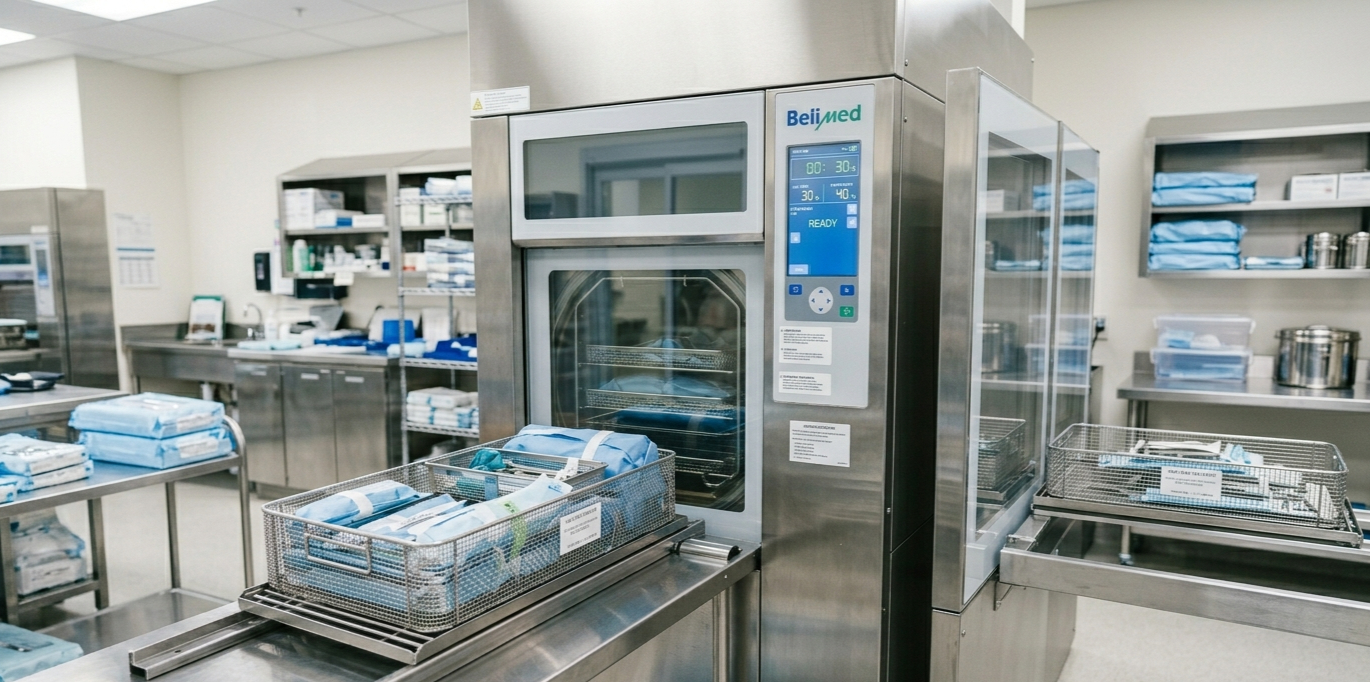
That experience highlights something many people overlook: a sterilizer autoclave is not just another machine. It is one of the most important pieces of equipment in any healthcare environment.
Whether you’re a clinic owner, healthcare student, dental assistant, or medical equipment buyer, understanding sterilizer autoclaves can help you make better decisions and avoid costly mistakes.
What Is a Sterilizer Autoclave?
A sterilizer autoclave is a machine designed to sterilize medical and dental instruments using high-pressure steam.
Its purpose is simple but critical:
To destroy microorganisms that may remain on instruments after cleaning.
These microorganisms include:
- Bacteria
- Viruses
- Fungi
- Resistant spores
The goal is to ensure instruments are safe for patient use.
Many beginners assume that washing instruments thoroughly is enough. In reality, cleaning and sterilization are two completely different processes.
Cleaning removes visible contamination.
Sterilization eliminates microscopic contamination.
Both are necessary.
Why Autoclaves Matter More Than Expensive Instruments
When people think about healthcare equipment, they often focus on instruments.
Surgical forceps.
Needle holders.
Scalpels.
Dental extraction forceps.
However, even the most expensive instrument becomes a liability if it is not properly sterilized.
A high-quality instrument can last for years, but only if it is processed correctly.
This is why experienced healthcare professionals often say that infection control begins long before an instrument reaches a patient.
Understanding the Sterilization Process
One reason autoclaves remain popular worldwide is their effectiveness.
The process is based on a combination of:
- Steam
- Heat
- Pressure
- Time
Together, these factors destroy microorganisms that ordinary cleaning cannot eliminate.
Step 1: Cleaning Instruments
Before instruments enter the autoclave, they must be cleaned.
This removes:
- Blood
- Tissue residue
- Organic debris
- Other contaminants
Skipping this step is one of the most common mistakes beginners make.
Step 2: Packaging
Many facilities package instruments before sterilization.
This helps maintain sterility after processing.
Step 3: Loading the Chamber
Instruments are placed inside the chamber.
Proper spacing is important because steam must reach all surfaces.
Step 4: Sterilization Cycle
The autoclave generates pressurized steam at high temperatures.
This environment destroys microorganisms.
Step 5: Drying
Modern autoclaves include drying cycles that remove moisture.
Dry instruments are easier to store safely.
Step 6: Storage
Sterilized instruments are stored until needed.
Proper storage helps maintain sterility.
A Real Example from Daily Dental Practice
Imagine a dental clinic performing:
- Tooth extractions
- Fillings
- Root canal treatments
- Minor surgeries
Throughout the day, instruments continuously move between treatment rooms and the sterilization area.
Without a reliable autoclave, staff would quickly run out of sterile instruments.
This is why many clinics schedule sterilization cycles throughout the day rather than waiting until evening.
Efficient sterilization directly affects patient flow.
Types of Sterilizer Autoclaves
Not every facility requires the same equipment.
Several types of autoclaves are available.
Tabletop Autoclaves
These compact units are extremely popular.
Common Uses
- Dental clinics
- Small medical practices
- Veterinary clinics
Benefits
- Space-saving
- User-friendly
- Affordable
Vertical Autoclaves
These units provide larger capacity.
Suitable For
- Laboratories
- Research facilities
- Medium-sized healthcare centers
Horizontal Autoclaves
Hospitals often use these systems.
Advantages
- Large capacity
- High throughput
- Efficient processing
Pre-Vacuum Autoclaves
These systems remove air before introducing steam.
Benefits
- Improved steam penetration
- Better performance with packaged instruments
- Faster cycles
Common Mistakes That Reduce Sterilization Quality
After speaking with technicians and clinic managers, I noticed several recurring mistakes.
Overloading the Chamber
Many users try to fit as many instruments as possible into one cycle.
This often reduces steam circulation.
The result can be less effective sterilization.
Using Poor Water Quality
Hard water can create scale buildup.
Over time, this may cause:
- Reduced efficiency
- Increased maintenance costs
- Component damage
Ignoring Preventive Maintenance
Many facilities wait until something breaks.
Preventive maintenance is usually far less expensive than emergency repairs.
Improper Packaging
Incorrect packaging may prevent steam from reaching instrument surfaces effectively.
Poor Staff Training
Even the best autoclave can perform poorly if users are not properly trained.
What to Look for When Buying a Sterilizer Autoclave
Many first-time buyers focus only on price.
Experienced buyers look deeper.
Capacity
How many instruments will be processed daily?
Choose a machine that matches actual workload.
Reliability
A dependable machine often provides more value than one with extra features.
Technical Support
Ask suppliers:
- Is local service available?
- Are spare parts easy to obtain?
- What is the average repair response time?
Ease of Operation
Complicated controls may increase user errors.
Simple systems often improve efficiency.
Energy and Water Consumption
Long-term operating costs matter.
A cheaper machine may cost more to operate over time.
A Tip Most Buying Guides Never Mention
Before purchasing an autoclave, ask to see its maintenance schedule.
Many buyers focus on the purchase price but ignore ongoing maintenance requirements.
Understanding service needs beforehand helps avoid surprises later.
Daily Maintenance Habits That Make a Difference
Small habits can significantly extend equipment life.
Inspect Door Seals
Damaged seals affect performance.
Clean the Chamber
Regular cleaning helps maintain efficiency.
Monitor Water Quality
Good water quality reduces mineral buildup.
Keep Records
Document:
- Service dates
- Repairs
- Error messages
- Maintenance activities
These records become valuable over time.
Warning Signs You Should Never Ignore
Autoclaves often provide warning signs before major failures occur.
Watch for:
- Longer cycle times
- Excess moisture
- Steam leaks
- Unusual sounds
- Error codes
- Incomplete drying
Addressing small issues early usually saves money.
How Modern Autoclaves Are Improving
Technology continues to evolve.
Newer autoclaves often include:
- Digital displays
- Automatic cycle recording
- Touchscreen controls
- Energy-saving systems
- Advanced drying features
These improvements help clinics improve efficiency and compliance.
Frequently Asked Questions
What is a sterilizer autoclave used for?
A sterilizer autoclave is used to sterilize medical and dental instruments using high-pressure steam.
How is sterilization different from cleaning?
Cleaning removes visible debris. Sterilization destroys microorganisms that remain after cleaning.
Why is steam used in autoclaves?
Steam transfers heat efficiently and penetrates difficult-to-reach instrument surfaces.
How long does an autoclave cycle take?
Most cycles take between 20 and 60 minutes, depending on the machine and load.
Can all materials be sterilized in an autoclave?
No. Some materials are heat-sensitive and may be damaged by steam sterilization.
What is the most common autoclave mistake?
Overloading the chamber is one of the most common mistakes because it limits steam circulation.
How often should an autoclave be serviced?
Follow manufacturer recommendations and establish a preventive maintenance schedule.
Is a tabletop autoclave enough for a dental clinic?
For many small and medium-sized dental clinics, a quality tabletop autoclave is sufficient.
What affects autoclave lifespan?
Water quality, maintenance practices, usage frequency, and operator training all play important roles.
What should first-time buyers prioritize?
Reliability, service support, chamber size, operating costs, and ease of use should be prioritized over price alone.
Final Thoughts
A sterilizer autoclave rarely receives the attention given to surgical instruments or treatment equipment, but its role in healthcare is enormous. From protecting patients to supporting efficient workflows, proper sterilization affects every part of clinical practice.