
Introduction
The healthcare industry depends heavily on precision, hygiene, and safety. One critical but often overlooked role is that of the surgical instrument cleaner. Without proper cleaning, disinfection, and sterilization of surgical tools, patient safety is at risk. Hospitals, dental clinics, veterinary centers, and surgical facilities rely on skilled workers who understand how to clean and process instruments correctly.
In this comprehensive guide, we will explore everything related to the surgical instrument cleaner job, including responsibilities, required skills, training pathways, work environment, career growth, salary expectations, and how to start your career in this essential field. This article is designed to provide in-depth, SEO-optimized information for job seekers, employers, and healthcare professionals.
What Is a Surgical Instrument Cleaner?
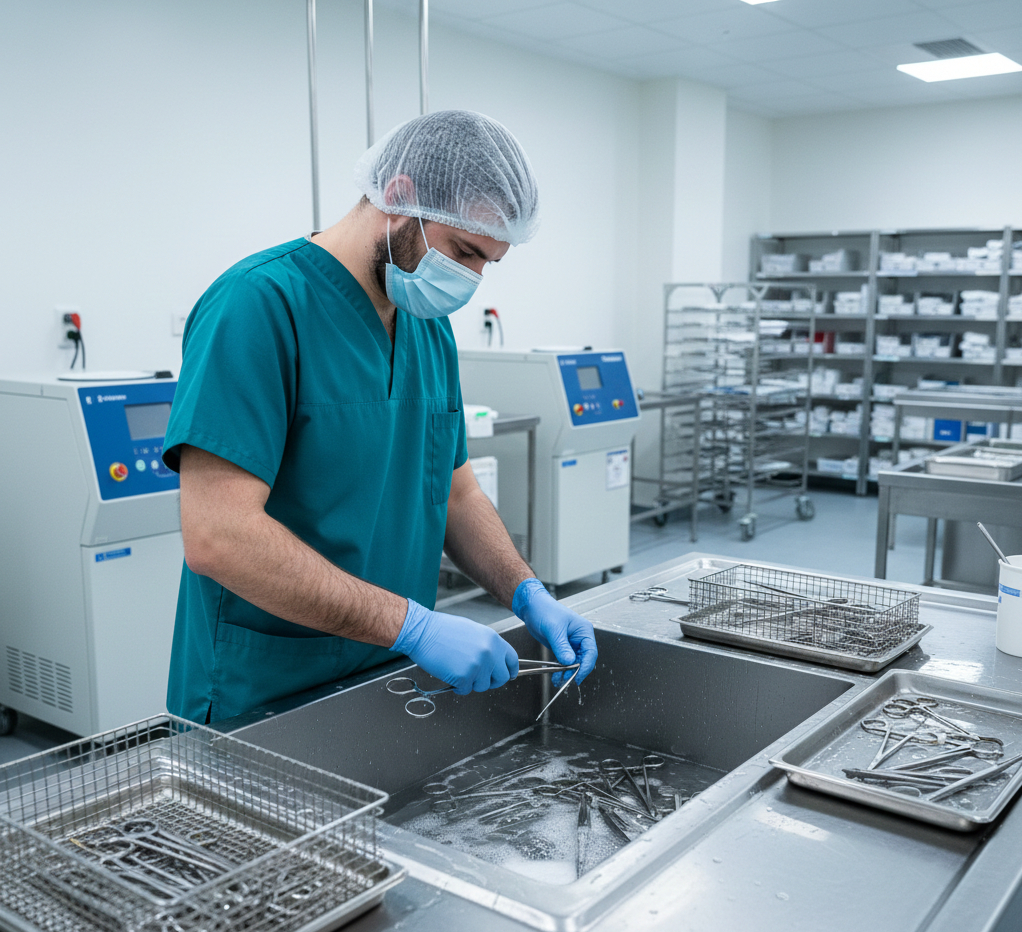
A surgical instrument cleaner is a trained healthcare professional responsible for cleaning, disinfecting, inspecting, and preparing medical and surgical instruments for sterilization. They work in a hospital’s Sterile Processing Department (SPD) or Central Service Department (CSD).
Without effective cleaning, sterilization cannot be guaranteed. This means surgical instrument cleaners play a key role in preventing infections, supporting surgeons, and ensuring every procedure runs smoothly.
Why the Surgical Instrument Cleaner Job is Important
The importance of this role cannot be overstated. Here’s why it matters:
Prevention of Infection
Proper cleaning removes biological debris, preventing surgical site infections.
Keeps Surgical Equipment Functional
Instruments last longer when cleaned correctly.
Supports Operating Rooms
Surgeons and nurses depend on reliable and sterile instruments.
Ensures Patient Safety
One mistake in cleaning can cause cross-contamination.
Compliance With Healthcare Standards
Hospitals must meet strict hygiene and quality control regulations.
Because of these responsibilities, the surgical instrument cleaner job is highly valued in the healthcare system.
Primary Responsibilities of a Surgical Instrument Cleaner
A surgical instrument cleaner performs many detailed and technical tasks. Their job requires accuracy, responsibility, and attention to hygiene.
Pre-Cleaning and Sorting
After surgery, used instruments arrive covered with blood, tissue, saline, and other contaminants. The cleaner must:
- Sort tools by type
- Rinse off visible debris
- Use enzymatic detergents
- Prepare instruments for machine processing
Manual Cleaning
Some delicate or complex instruments require hand-cleaning. This includes:
- Scrubbing hinges, joints, and serrations
- Using brushes designed for specific instruments
- Rinsing with deionized or distilled water
Ultrasonic Cleaning
The ultrasonic cleaner removes hidden particles by using sound waves. Surgical instrument cleaners must know:
- How to load the machine properly
- What solution to use
- Correct cycle times
Instrument Inspection
Before sterilization, every instrument is examined for:
- Damage
- Rust
- Cracks
- Loose hinges
- Missing parts
Cleaning staff must report any faulty tool immediately.
Packaging and Wrapping
Instruments are packed in trays or peel packs. Proper packing ensures:
- Steam penetration
- Complete drying
- Proper storage
Sterilization Preparation
Although the sterilization itself is often done by technicians, cleaners prepare instruments for:
- Autoclaving
- Low-temperature sterilization
- Ethylene oxide (ETO)
- Hydrogen peroxide plasma sterilization
Documentation and Record Keeping
Hospitals require strict tracking. Cleaners must record:
- Tray contents
- Cleaning cycles
- Batch numbers
- Equipment maintenance
Maintaining a Clean Work Environment
Surfaces, sinks, equipment, and floors must meet hygiene standards.
Skills Required for a Surgical Instrument Cleaner Job
Working in this field requires skill, discipline, and a strong understanding of hygiene procedures.
Attention to Detail
Even a tiny spot of debris can prevent proper sterilization.
Good Hand-Eye Coordination
Cleaning tiny, delicate instruments requires precision.
Understanding of Medical Terminology
Knowing instrument names helps with sorting and assembly.
Ability to Follow Strict Protocols
Standard operating procedures must be followed exactly.
Physical Stamina
The job requires standing, lifting trays, and continuous movement.
Basic Knowledge of Microbiology
Understanding contamination and infection is essential.
Teamwork and Communication
Cleaners work closely with technicians, nurses, and OR staff.
Training and Education Required
The good news is that many employers offer on-the-job training, especially for entry-level positions. However, formal certifications make candidates more competitive.
Recommended Training Paths
High School Diploma or Equivalent
Most healthcare facilities require a basic educational level.
Sterile Processing Technician Certification (Optional but Valuable)
Programs may include:
- SPD/CPD training
- Instrument identification
- Sterilization methods
- Infection control
Globally recognized certifications include:
- CRCST (Certified Registered Central Service Technician)
- CBSPD (Certification Board for Sterile Processing and Distribution)
3. Hands-On Training
Most facilities provide training in:
- Operating ultrasonic washers
- Manual cleaning methods
- Packaging and wrapping techniques
- Equipment care and maintenance
Safety Training
Because you handle biohazards, you must learn:
- PPE usage
- Sharps handling
- Chemical safety
Work Environment of a Surgical Instrument Cleaner
This job is done in specialized healthcare areas such as:
Sterile Processing Department (SPD)
Central Sterile Supply Department (CSSD)
Operating Room Support Areas
Dental Clinics
Veterinary Hospitals
Common working conditions:
- Fast-paced environment
- Exposure to heat, moisture, and cleaning chemicals
- Strict temperature and humidity control
- Shift work, including nights, weekends, and holidays
Despite the demands, the job is rewarding and secure.
Salary Expectations for Surgical Instrument Cleaners
Salary varies by region, experience, and facility. On average:
Entry-Level:
$25,000 – $35,000 per year
Experienced Cleaners:
$35,000 – $45,000 per year
Certified SPD Technicians:
$45,000 – $60,000 per year
With certifications and experience, workers often advance to roles such as:
- Sterile Processing Technician
- Lead Technician
- Supervisor
- SPD Manager
Career Growth Opportunities
The surgical instrument cleaner job is a great starting point for a long-term healthcare career. Many professionals use this role to transition into:
Sterile Processing Technician
Surgical Technologist
Operating Room Assistant
Infection Control Officer
Quality Assurance Specialist
With continuous training, career growth is strong and stable.
Challenges Faced in This Job
While rewarding, this profession comes with certain challenges:
- Exposure to biohazardous materials
- Strict protocols and high responsibility
- Fast-paced workload
- Repetitive manual tasks
- Need for precision and accuracy
However, proper training and practice make the work manageable and efficient.
How to Apply for a Surgical Instrument Cleaner Job
If you want to work in this field, here’s how to start:
Update Your Resume
Include:
- Basic education
- Any healthcare experience
- Skills related to cleaning, safety, or teamwork
Apply to Medical Facilities
Search for openings at:
- Hospitals
- Surgical centers
- Dental clinics
- Medical device companies
Obtain Certification
While not required, certifications greatly increase hiring chances.
Prepare for Interviews
Be ready to answer questions about:
- Cleaning procedures
- Infection control
- Ability to work in fast-paced environments
Conclusion
A surgical instrument cleaner job is one of the most essential roles in modern healthcare. These professionals ensure that every surgical instrument used in patient care is clean, safe, and ready for use. With strong demand, job stability, and opportunities for career advancement, this field is an excellent choice for anyone wanting to enter the medical industry.
Whether you are seeking a new career, hiring staff, or learning about sterile processing, the role of a surgical instrument cleaner is vital, respected, and full of growth potential.