

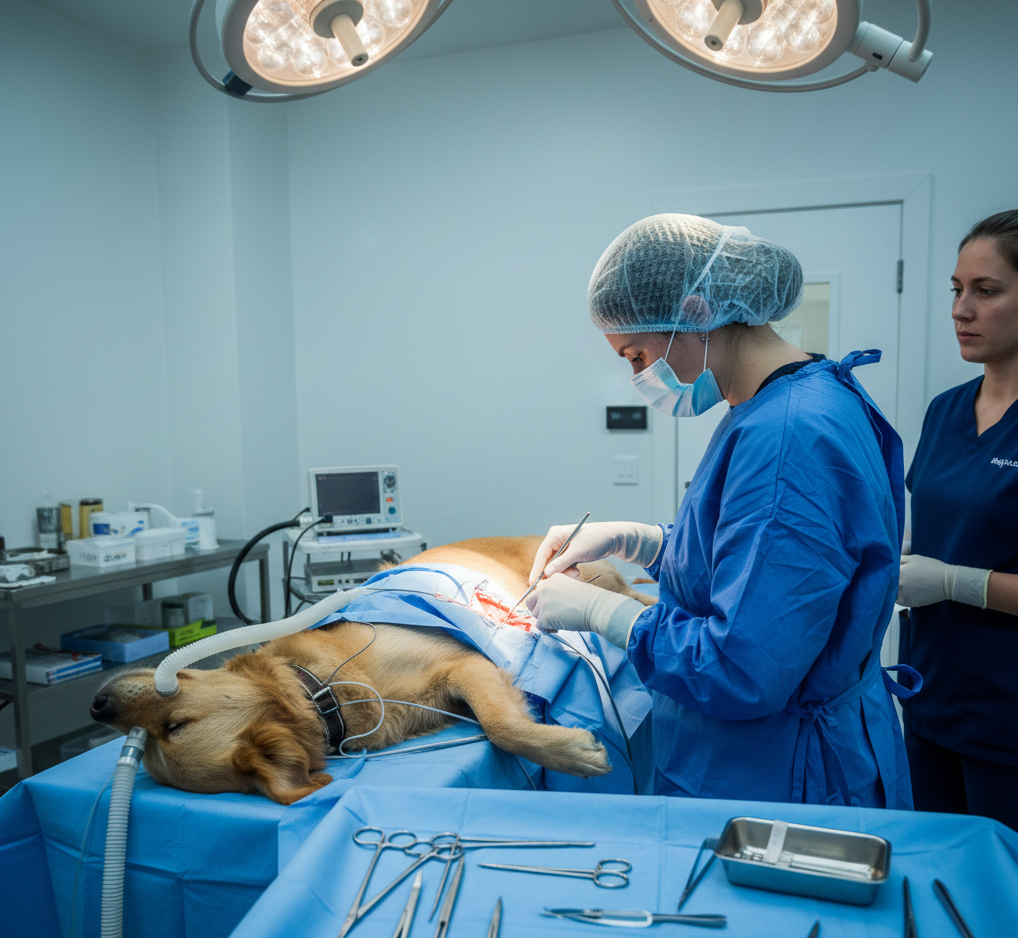
Canine Surgical Insemination: An Overview
Canine breeding has advanced significantly over the years, with modern veterinary techniques offering solutions for dogs that are unable to conceive naturally. One such advanced reproductive method is canine surgical insemination. This procedure is often discussed among professional breeders and veterinarians, especially when other breeding methods have failed.
In this comprehensive guide, we will explore canine surgical insemination, including how it works, when it is recommended, benefits, risks, legal considerations, recovery, costs, and ethical concerns. Whether you are a breeder, veterinarian, or dog owner seeking reliable information, this article provides everything you need to know.
What Is Canine Surgical Insemination?
Canine surgical insemination is a veterinary reproductive procedure in which semen is directly implanted into a female dog’s reproductive tract through a surgical incision. Unlike traditional artificial insemination, this method requires anesthesia and an abdominal surgical approach.
This technique allows semen to be placed closer to the uterus or directly into it, increasing the likelihood of fertilization—especially in challenging breeding cases.
Types of Canine Insemination Methods
To understand canine surgical insemination, it helps to compare it with other insemination options:
1. Natural Breeding
- Requires physical mating
- Not always possible due to health, size, or behavioral issues
2. Artificial Insemination (AI)
- Semen is deposited vaginally or transcervically
- Less invasive than surgery
3. Canine Surgical Insemination
- Semen placed directly into the uterus
- Requires anesthesia and surgery
- Highest fertilization accuracy in select cases
When Is Canine Surgical Insemination Recommended?
Veterinarians typically recommend canine surgical insemination only when other breeding methods are unsuccessful or unsuitable.
Common Reasons Include:
- Anatomical abnormalities in the female dog
- Failed natural breeding attempts
- Poor semen motility or low sperm count
- Physical injury or mobility issues in the male dog
- Aggressive or incompatible mating behavior
- Use of frozen semen with limited viability
How Canine Surgical Insemination Is Performed
1. Pre-Procedure Evaluation
Before surgery, the veterinarian conducts:
- Hormone testing to confirm optimal breeding time
- Health examinations for both dogs
- Semen quality analysis
2. Anesthesia
The female dog is placed under general anesthesia to ensure comfort and safety.
3. Surgical Procedure
- A small incision is made in the abdomen
- The uterus is carefully exposed
- Semen is injected directly into the uterine horns
- Incision is closed with sutures
4. Post-Procedure Monitoring
The dog is monitored during recovery and typically goes home the same day.
Success Rate of Canine Surgical Insemination
Canine surgical insemination generally has a high success rate, especially when:
- Timing is accurate
- Semen quality is good
- Procedure is performed by an experienced veterinarian
However, success also depends on:
- Age and health of the female
- Reproductive history
- Quality of semen (fresh vs frozen)
Benefits of Canine Surgical Insemination
1. Higher Fertilization Accuracy
Direct uterine placement reduces sperm loss.
2. Useful for Challenging Cases
Ideal for dogs with anatomical or behavioral issues.
3. Effective With Frozen Semen
Frozen semen has a shorter lifespan, making surgical placement more effective.
4. Controlled Breeding
Allows precise timing and genetic selection.
Risks and Disadvantages
Despite its benefits, canine surgical insemination has drawbacks:
- Requires general anesthesia
- Surgical risks such as infection or bleeding
- Longer recovery than non-surgical AI
- Ethical concerns in some breeding communities
- Higher cost compared to other methods
Because of these factors, many veterinary associations discourage routine use unless medically necessary.
Legal and Ethical Considerations
In several countries and kennel clubs, canine surgical insemination is restricted or discouraged.
Key Ethical Concerns:
- Welfare of the female dog
- Overuse for convenience rather than necessity
- Potential for breeding dogs with inherited reproductive issues
Many kennel clubs, including some international organizations, no longer recognize litters conceived through surgical insemination.
Post-Surgical Care and Recovery
Immediate Aftercare
- Rest and limited activity for 7–10 days
- Pain management as prescribed
- Monitor incision site for swelling or discharge
Long-Term Care
- Follow-up veterinary visits
- Avoid stress during early pregnancy
- Maintain balanced nutrition
Most dogs recover fully within two weeks.
Cost of Canine Surgical Insemination
The cost varies depending on location, clinic, and complexity.
Average Cost Range
- $1,000 to $3,000 per procedure
This may include:
- Hormone testing
- Anesthesia
- Surgery
- Semen handling
Insurance typically does not cover breeding procedures.
Canine Surgical Insemination vs Transcervical Insemination
| Feature | Surgical Insemination | Transcervical Insemination |
|---|---|---|
| Invasiveness | High | Low |
| Anesthesia | Required | Not required |
| Recovery | Several days | Immediate |
| Cost | Higher | Moderate |
| Ethical Acceptance | Limited | Widely accepted |
Transcervical insemination is often preferred when available.
Is Canine Surgical Insemination Safe?
When performed by a licensed and experienced veterinarian, canine surgical insemination is generally safe. However, it should never be a first-line breeding method. Proper case selection and ethical consideration are essential.
Who Should Consider Canine Surgical Insemination?
This procedure may be appropriate for:
- Professional breeders facing repeated breeding failure
- Dogs with medical conditions preventing natural mating
- Preservation of rare or valuable genetics
- Cases approved by veterinary reproductive specialists
Frequently Asked Questions
Is canine surgical insemination painful?
The procedure itself is painless due to anesthesia, but mild post-operative discomfort may occur.
Can a dog have multiple surgical inseminations?
Repeated procedures are not recommended due to increased health risks.
Is pregnancy guaranteed?
No breeding method offers a 100% success rate.
Final Thoughts on Canine Surgical Insemination
Canine surgical insemination is a highly specialized reproductive technique designed for specific breeding challenges. While it offers high accuracy and controlled fertilization, it also carries surgical risks, ethical concerns, and higher costs.