

Introduction
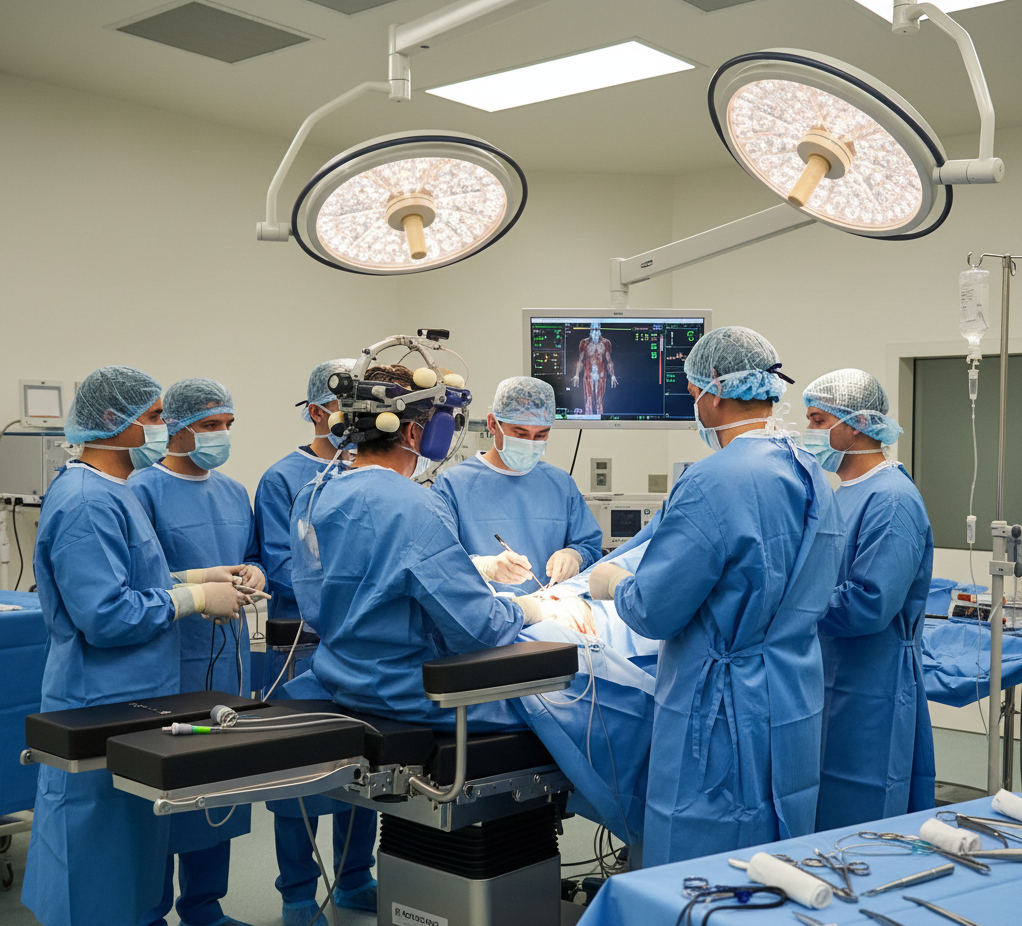
In modern surgical practice, proper patient positioning is a critical component of procedural success, safety, and surgical efficiency. Among the most commonly used techniques in orthopedic and shoulder surgery is the beach chair surgical position. This specialized positioning method has become an industry standard for a wide range of shoulder and upper-extremity procedures due to its ergonomic advantages and improved surgical access.
The beach chair surgical position mimics a seated posture, allowing surgeons enhanced visibility and anatomical orientation while supporting patient safety. This comprehensive guide explores the meaning, applications, benefits, risks, equipment, and best practices associated with beach chair surgical positioning, with full SEO optimization for online visibility.
What Is Beach Chair Surgical Positioning?
The beach chair surgical position refers to placing a patient in a semi-upright, seated posture during surgery. The torso is elevated, hips are flexed, knees slightly bent, and the head and neck are securely supported.
This position resembles a reclining beach chair, which is how it earned its name. It is most commonly used in shoulder and upper-arm surgeries but may also be applied in other orthopedic and neurosurgical procedures.
History and Evolution of the Beach Chair Surgical Position
The beach chair position evolved as surgical techniques advanced, particularly in minimally invasive orthopedic surgery. Traditional supine or lateral decubitus positions were often limiting for shoulder visualization and instrument maneuverability.
With the development of arthroscopic and reconstructive shoulder surgery, the beach chair surgical position gained popularity due to:
- Improved anatomical alignment
- Reduced strain on surgeons
- Enhanced patient access
- Compatibility with advanced imaging
Today, it is widely adopted in surgical centers and hospitals worldwide.
Common Procedures Using Beach Chair Surgical Positioning
The beach chair surgical position is primarily used in upper-extremity operations.
1. Shoulder Arthroscopy
- Rotator cuff repair
- Labral repair
- Shoulder stabilization procedures
- Diagnostic arthroscopy
The upright orientation allows natural shoulder positioning.
2. Shoulder Replacement Surgery
- Total shoulder arthroplasty
- Reverse shoulder replacement
The beach chair position facilitates joint exposure and prosthetic alignment.
3. Clavicle and Upper Arm Procedures
- Fracture fixation
- Soft tissue repair
- Tendon reconstruction
The position provides excellent access to the surgical field.
4. Selected Neurosurgical Procedures
In some cases, the beach chair surgical position is used for:
- Posterior fossa access
- Cervical spine procedures
Careful monitoring is essential in these cases.
Advantages of Beach Chair Surgical Positioning
The widespread use of beach chair surgical positioning is supported by numerous benefits.
Improved Surgical Visualization
The upright orientation aligns anatomy naturally, offering surgeons a clear and familiar view of the operative area.
Enhanced Ergonomics for Surgeons
Surgeons can work in a standing or seated position with reduced fatigue, improving precision and endurance.
Reduced Bleeding
Elevating the surgical site above heart level may decrease venous pressure, helping to minimize bleeding.
Efficient Airway Access
Anesthesiologists often prefer the beach chair surgical position due to easier airway management.
Compatibility with Imaging
This position works well with fluoroscopy and arthroscopic imaging systems.
Equipment Used in Beach Chair Surgical Setup
Proper equipment is essential for patient safety and surgical efficiency.
Key equipment includes:
- Beach chair surgical table attachments
- Head and neck stabilization devices
- Padded arm supports
- Adjustable leg rests
- Safety straps and supports
Modern surgical tables are designed to accommodate precise adjustments.
Step-by-Step Setup of the Beach Chair Surgical Position
Correct positioning is vital to avoid complications.
Patient Transfer
The patient is initially placed supine on the operating table under anesthesia.
Gradual Elevation
The table is slowly adjusted to raise the torso into a semi-upright position.
Head and Neck Alignment
The head is secured in neutral alignment using specialized headrests.
Limb Positioning
Arms are positioned safely to allow surgical access without nerve compression.
Padding and Securing
Pressure points are padded, and safety straps are applied.
Anesthesia Considerations in Beach Chair Surgical Positioning
Anesthesia management is particularly important in beach chair surgical cases.
Key considerations include:
- Blood pressure monitoring
- Cerebral perfusion maintenance
- Airway access
- Prevention of hypotension
Anesthesiologists closely monitor vital signs throughout the procedure.
Potential Risks and Complications
Although widely used, the beach chair surgical position carries certain risks if not properly managed.
1. Hypotension
Reduced blood flow to the brain can occur if blood pressure drops excessively.
2. Neurological Complications
Improper head or neck positioning may lead to nerve injury.
3. Pressure Injuries
Inadequate padding can result in skin or soft tissue damage.
4. Venous Air Embolism
Although rare, this is a known risk in upright positions.
Safety Protocols and Risk Mitigation
To minimize risks, surgical teams follow strict protocols.
Best practices include:
- Continuous blood pressure monitoring
- Neutral head alignment
- Adequate padding
- Team communication and checklists
These measures significantly enhance patient safety.
Comparison with Other Surgical Positions
Beach Chair vs. Lateral Decubitus
| Feature | Beach Chair Surgical | Lateral Decubitus |
|---|---|---|
| Visualization | Excellent | Good |
| Surgeon Ergonomics | Superior | Moderate |
| Anesthesia Access | Easier | Limited |
| Risk of Hypotension | Moderate | Lower |
Each position has specific advantages depending on the procedure.
Role of Beach Chair Surgical Position in Outpatient Surgery
Outpatient surgical centers widely use beach chair surgical positioning due to:
- Faster setup times
- Compatibility with minimally invasive techniques
- Improved recovery efficiency
This supports same-day discharge and patient convenience.
Training and Skill Requirements
Proper training is essential for safe use of beach chair surgical positioning.
Healthcare professionals must understand:
- Anatomical alignment
- Hemodynamic monitoring
- Equipment setup
- Emergency response protocols
Ongoing education improves outcomes and reduces complications.
Technological Advances in Beach Chair Surgical Equipment
Modern innovations include:
- Adjustable motorized surgical tables
- Advanced head stabilization systems
- Integrated monitoring devices
- Pressure-relieving padding materials
These advancements enhance both safety and comfort.
Future Trends in Beach Chair Surgical Techniques
The future of beach chair surgical positioning includes:
- Enhanced cerebral monitoring
- Smart surgical tables
- Improved ergonomic designs
- Greater emphasis on patient safety research
Continued innovation will further refine this technique.
Conclusion
Beach chair surgical positioning is a vital technique in modern orthopedic and upper-extremity surgery. Its advantages in visualization, ergonomics, and patient access make it a preferred choice for many procedures. When combined with proper equipment, skilled staff, and strict safety protocols, the beach chair surgical position delivers excellent outcomes for both surgeons and patients.