

Introduction
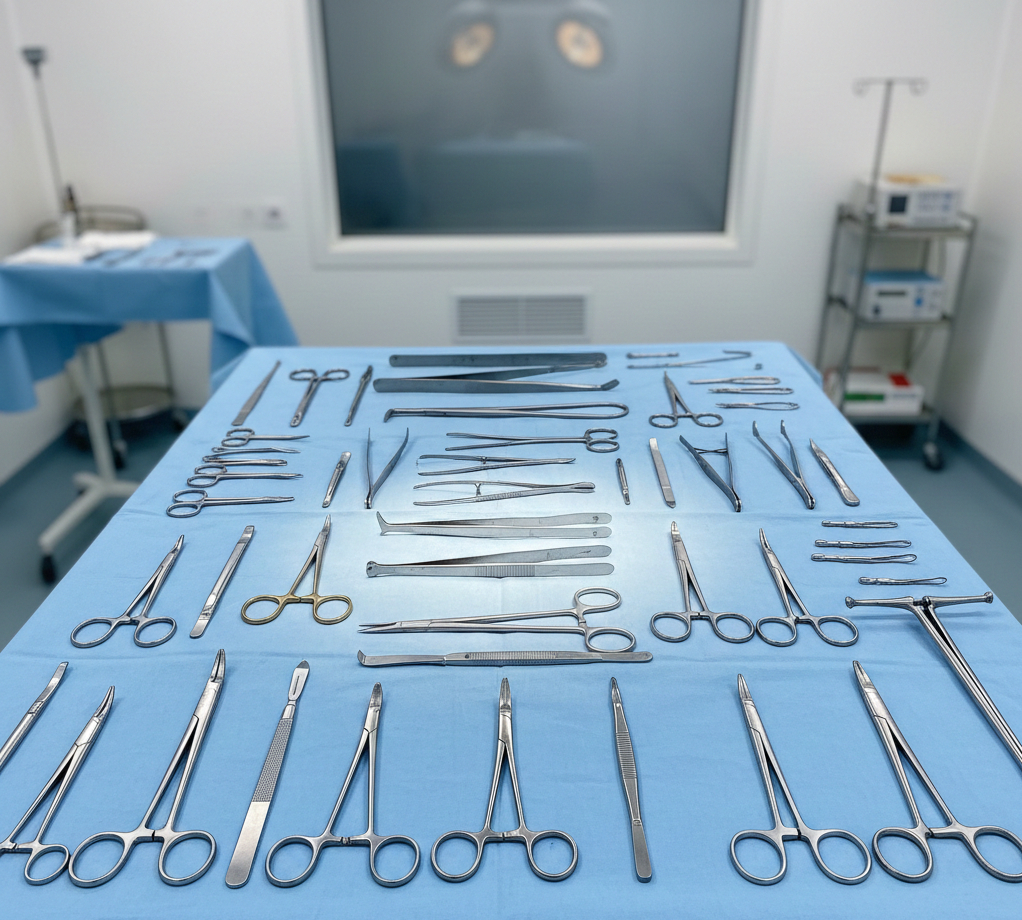
Surgery is one of the most precise and skill-dependent fields in medicine, requiring not only expert knowledge but also reliable instruments. At the foundation of every successful procedure lies a carefully selected set of basic surgical tools. These tools are essential for performing incisions, handling tissues, controlling bleeding, and closing wounds safely and efficiently.
From minor outpatient procedures to major operations, basic surgical tools are used universally across operating rooms, clinics, emergency departments, and training institutions. This comprehensive guide explores the types, functions, materials, uses, and importance of basic surgical tools while following proper SEO practices to improve visibility and ranking.
What Are Basic Surgical Tools?
Basic surgical tools are standard medical instruments used across a wide range of surgical procedures. They form the core instrument set required for most operations, regardless of specialty.
These tools are designed to:
- Cut and dissect tissue
- Hold and retract structures
- Clamp blood vessels
- Suture and close wounds
- Assist with visualization and precision
They are essential for safe, effective, and controlled surgical practice.
Importance of Basic Surgical Tools in Healthcare
The quality and proper use of basic surgical tools directly impact patient outcomes.
Why They Matter:
- Ensure precision and control during surgery
- Reduce trauma to surrounding tissues
- Minimize surgical complications
- Improve efficiency in the operating room
- Support sterile and safe surgical environments
Without reliable basic surgical tools, even the most skilled surgeon cannot perform effectively.
Categories of Basic Surgical Tools
Basic surgical tools are generally classified based on their function. Understanding these categories helps medical professionals choose the right instruments for each procedure.
Cutting and Dissecting Instruments
These tools are used to cut tissue and make surgical incisions.
Scalpels
Scalpels are among the most fundamental basic surgical tools.
Uses include:
- Making precise incisions
- Cutting skin and soft tissue
- Fine dissection
They typically consist of a handle and disposable or reusable blades.
Surgical Scissors
Surgical scissors are versatile cutting tools used for tissues and sutures.
Common types include:
- Mayo scissors
- Metzenbaum scissors
- Iris scissors
Each type is designed for specific tissue thickness and precision.
Grasping and Holding Instruments
These basic surgical tools help surgeons hold tissues or objects securely.
Forceps
Forceps are used to grasp, hold, or manipulate tissues.
Types include:
- Tissue forceps
- Dressing forceps
- Thumb forceps
They are essential for delicate handling without causing damage.
Needle Holders
Needle holders are specialized instruments used to hold suturing needles.
They provide:
- Firm grip
- Precise control
- Reduced hand fatigue
They are critical for wound closure.
3. Clamping and Occluding Instruments
These basic surgical tools are used to control bleeding and clamp vessels.
Hemostats
Hemostats are clamping instruments used to stop bleeding.
Common examples include:
- Mosquito hemostats
- Kelly clamps
- Crile clamps
They are vital for maintaining a clear surgical field.
4. Retracting and Exposing Instruments
Retractors are basic surgical tools that hold tissues aside to improve visibility.
Handheld Retractors
These are manually held tools used to retract skin, muscles, or organs.
Examples include:
- Army-Navy retractors
- Senn retractors
They allow surgeons to see and access deeper structures.
Self-Retaining Retractors
These retractors stay in place without being held.
Benefits include:
- Reduced need for assistants
- Stable exposure
- Improved efficiency
5. Suturing and Stapling Instruments
Closing wounds is a critical step in surgery.
Surgical Needles
Surgical needles are designed for different tissue types.
They vary in:
- Shape
- Size
- Curvature
Used with sutures, they ensure proper wound closure.
Skin Staplers
Staplers are sometimes used as alternatives to sutures.
They offer:
- Faster wound closure
- Consistent tension
- Reduced operating time
Materials Used in Basic Surgical Tools
Most basic surgical tools are made from high-quality materials to ensure durability and sterility.
Common Materials Include:
- Stainless steel
- Titanium
- Medical-grade alloys
These materials resist corrosion, withstand sterilization, and maintain sharpness.
Sterilization and Maintenance of Basic Surgical Tools
Proper sterilization is critical for patient safety.
Common Sterilization Methods:
- Steam autoclaving
- Chemical sterilization
- Low-temperature plasma systems
Regular inspection and maintenance extend tool lifespan and ensure performance.
Use of Basic Surgical Tools Across Medical Specialties
Basic surgical tools are used in nearly every surgical specialty.
General Surgery
Tools are used for abdominal, soft tissue, and emergency procedures.
Orthopedic Surgery
Basic tools assist with exposure, suturing, and soft tissue management.
Dental and Oral Surgery
Precision tools are used for extractions and minor surgical procedures.
Veterinary Surgery
Basic surgical tools are adapted for animal care and procedures.
Training and Education in Basic Surgical Tools
Medical students and surgical trainees begin learning surgery through basic surgical tools.
Training focuses on:
- Instrument identification
- Proper handling techniques
- Sterile field maintenance
- Safe usage practices
Mastery of basic surgical tools is foundational to surgical competence.
Choosing the Right Basic Surgical Tools
Selecting appropriate tools depends on several factors.
Key Considerations:
- Procedure type
- Tissue characteristics
- Surgeon preference
- Tool quality and certification
High-quality instruments improve performance and safety.
Role of Basic Surgical Tools in Patient Safety
Proper tools reduce surgical risks.
They help prevent:
- Excessive bleeding
- Tissue trauma
- Infection
- Procedural errors
This makes them essential for quality healthcare delivery.
S
Advancements in Basic Surgical Tools
Modern innovations have improved traditional tools.
Recent Advancements Include:
- Ergonomic designs
- Lightweight materials
- Enhanced precision
- Improved sterilization compatibility
These improvements support surgeon comfort and accuracy.
Future of Basic Surgical Tools
While advanced technology continues to grow, basic surgical tools remain indispensable.
Future trends include:
- Sustainable materials
- Smart instrument tracking
- Enhanced durability
- Improved infection control designs
They will continue to serve as the backbone of surgery.
Conclusion
Basic surgical tools are the foundation of safe and effective surgical practice. From scalpels and forceps to clamps and needle holders, these instruments support every step of a surgical procedure. Their quality, proper use, and maintenance directly influence patient outcomes and surgical success.