

Introduction
Military medicine plays a critical role in saving lives both in combat zones and peacetime healthcare facilities. Among the most vital members of the military healthcare team is the Army Surgical Tech. These highly trained professionals assist surgeons during life-saving procedures, often working in high-pressure environments where precision, discipline, and teamwork are essential.
An Army Surgical Tech is more than a medical assistant—they are a skilled specialist trained to support surgical operations in hospitals, clinics, and combat settings. This article provides a comprehensive guide to the Army Surgical Tech career, covering training requirements, daily responsibilities, skills, benefits, career advancement, and civilian opportunities. Written with proper SEO structure, this guide is ideal for anyone researching the role of an Army Surgical Tech.
What Is an Army Surgical Tech?
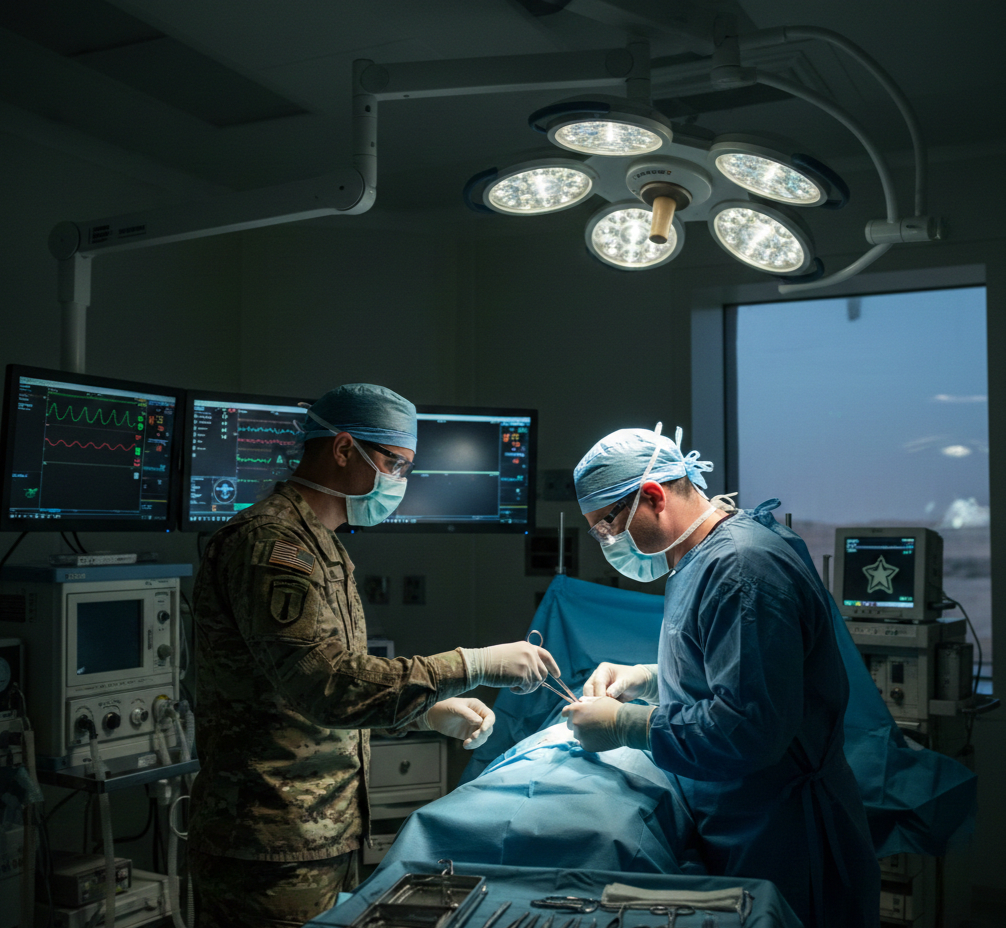
An Army Surgical Tech, officially known as a Surgical Specialist (Military Occupational Specialty 68D), is a medical professional trained to assist surgeons and nurses during surgical procedures. They play a crucial role in maintaining sterile environments, preparing instruments, and ensuring surgeries run smoothly.
Army Surgical Techs work in a variety of settings, including:
- Military hospitals and clinics
- Field hospitals
- Combat support hospitals
- Forward surgical teams
- Humanitarian and disaster relief missions
Their skills are essential both on and off the battlefield.
Role and Responsibilities of an Army Surgical Tech
The responsibilities of an Army Surgical Tech are extensive and demanding. These professionals are trusted to perform critical tasks before, during, and after surgical procedures.
Pre-Operative Responsibilities
Before surgery, an Army Surgical Tech is responsible for:
- Preparing the operating room
- Sterilizing surgical instruments and equipment
- Setting up surgical trays
- Assisting in patient positioning
- Ensuring proper infection control procedures
- Reviewing surgical plans and required tools
These steps are essential for maintaining a safe and sterile environment.
Intra-Operative Duties
During surgery, Army Surgical Techs assist surgeons by:
- Passing instruments and supplies
- Maintaining a sterile field
- Handling surgical specimens
- Operating suction devices
- Managing surgical counts (sponges, instruments, needles)
- Anticipating the surgeon’s needs
Their focus and precision directly impact surgical success.
Post-Operative Responsibilities
After surgery, duties include:
- Cleaning and sterilizing instruments
- Assisting with patient transfer
- Applying dressings
- Documenting surgical procedures
- Preparing the operating room for the next case
These tasks ensure continuity of care and patient safety.
Training and Education for Army Surgical Tech
Becoming an Army Surgical Tech requires specialized military medical training.
Basic Combat Training (BCT)
All Army recruits begin with Basic Combat Training, where they learn:
- Physical fitness
- Military discipline
- Weapons handling
- First aid and emergency response
This foundation prepares soldiers for both combat and medical roles.
Advanced Individual Training (AIT)
After BCT, recruits attend Advanced Individual Training (AIT) for MOS 68D. This training includes:
- Anatomy and physiology
- Surgical procedures and techniques
- Sterile processing
- Operating room protocols
- Patient care principles
- Emergency trauma response
AIT combines classroom instruction with hands-on clinical experience.
Certification and Skills Development
Army Surgical Techs may earn certifications such as:
- National Center for Competency Testing (NCCT)
- Certified Surgical Technologist (CST) eligibility after service
- Trauma and emergency care training
These credentials enhance both military and civilian career opportunities.
Skills Required to Be a Successful Army Surgical Tech
The role demands a unique combination of technical and personal skills.
Technical Skills
- Knowledge of surgical instruments
- Sterile technique mastery
- Understanding of surgical procedures
- Emergency response skills
- Medical documentation
Personal Qualities
- Attention to detail
- Ability to remain calm under pressure
- Strong teamwork and communication
- Physical stamina
- Discipline and adaptability
These skills are critical in both combat and hospital environments.
Work Environment of an Army Surgical Tech
Army Surgical Techs work in diverse and sometimes challenging environments.
Hospital Settings
In military hospitals, techs support elective and emergency surgeries similar to civilian healthcare facilities.
Field and Combat Environments
In deployed settings, they may work in:
- Mobile surgical units
- Combat support hospitals
- Tents or temporary facilities
These environments require flexibility, resilience, and rapid decision-making.
Benefits of Being an Army Surgical Tech
Serving as an Army Surgical Tech offers significant personal and professional benefits.
Competitive Pay and Allowances
- Base military pay
- Housing allowance
- Food allowance
- Special duty pay during deployments
Education Benefits
- Tuition assistance
- GI Bill benefits
- Medical training at no personal cost
Healthcare and Insurance
- Comprehensive medical coverage
- Dental and vision care
- Family healthcare benefits
Career Stability
- Steady employment
- Clear career progression
- Retirement benefits
Career Advancement Opportunities
Army Surgical Techs have multiple pathways for advancement.
Military Career Growth
With experience and rank progression, techs may become:
- Senior Surgical Technicians
- Operating Room Supervisors
- Medical Non-Commissioned Officers (NCOs)
- Instructors or trainers
Specialized Medical Roles
Some techs pursue further training in:
- Trauma care
- Orthopedics
- Neurosurgery support
- Surgical management
Transitioning to a Civilian Career
One of the biggest advantages of being an Army Surgical Tech is the ease of transition into civilian healthcare.
Civilian Job Opportunities
Former Army Surgical Techs can work as:
- Surgical Technologists
- Operating Room Technicians
- Central sterile technicians
- Medical assistants
- Healthcare instructors
Certification and Licensing
Military experience often counts toward civilian certification requirements, making the transition smoother and faster.
Challenges of the Army Surgical Tech Role
While rewarding, the role is demanding.
Common challenges include:
- Long hours
- High-stress environments
- Deployment separation from family
- Physically demanding work
However, many techs find the sense of purpose and skill development outweigh the challenges.
Conclusion
An Army Surgical Tech plays a vital role in military healthcare, supporting surgeons and saving lives in both hospital and combat settings. The career offers exceptional training, professional growth, financial stability, and valuable skills that translate into civilian healthcare careers.
For individuals interested in medicine, teamwork, and service, becoming an Army Surgical Tech is a powerful and rewarding career path that combines medical expertise with military excellence.