

Introduction
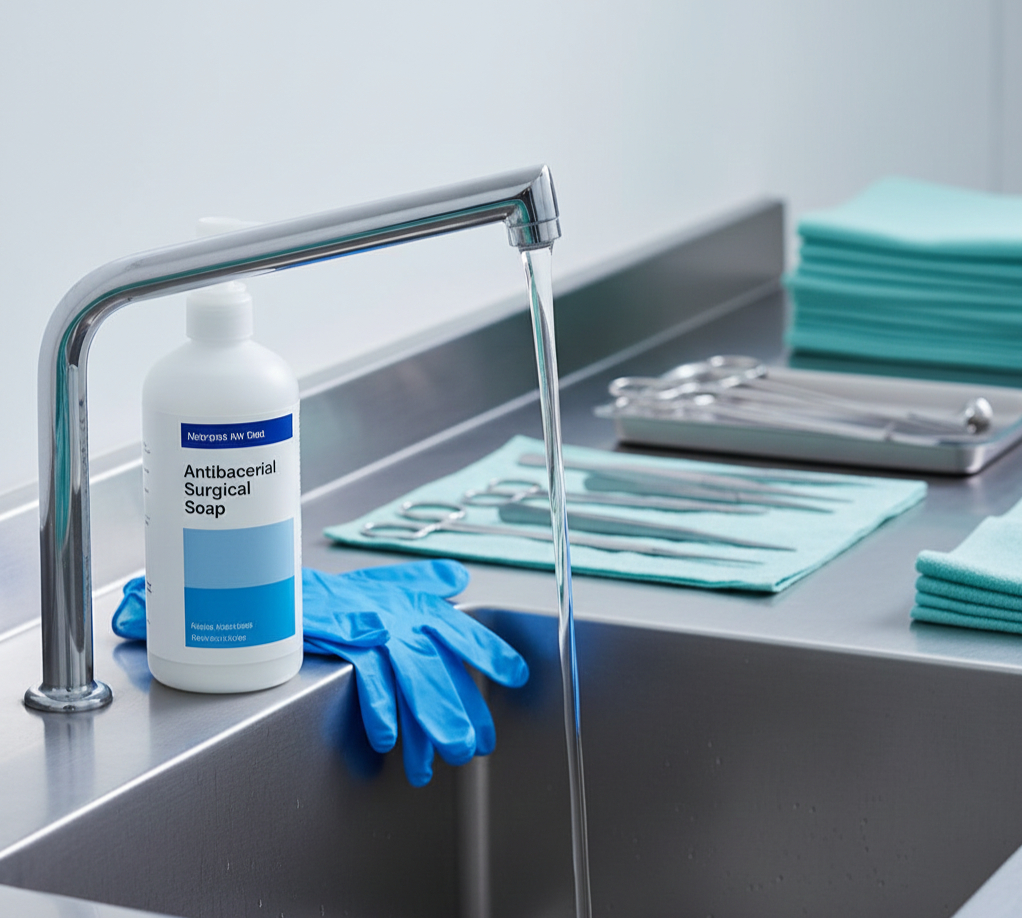
In medical and surgical environments, hygiene is not just important—it is life-saving. One of the most critical tools used to maintain safety and prevent infection is antibacterial surgical soap. Whether used by surgeons, nurses, dentists, or other healthcare professionals, surgical soap plays a vital role in reducing microbial contamination, preventing post-operative infections, and ensuring a sterile working environment.
With rising awareness around hospital-acquired infections (HAIs) and the importance of infection control, interest in antibacterial surgical soap has grown significantly. This comprehensive, SEO-optimized guide will walk you through what antibacterial surgical soap is, how it works, its benefits, recommended usage, types, ingredients, and how to choose the right product for clinical or personal use.
What Is Antibacterial Surgical Soap?
Antibacterial surgical soap, also known as surgical scrub soap or antimicrobial hand scrub, is a specially formulated soap designed to eliminate harmful bacteria, viruses, and microorganisms from the hands and forearms of medical professionals before performing surgery.
Unlike regular hand wash, surgical soap is created for high-level microbial reduction and prolonged protection.
Key purposes of antibacterial surgical soap:
- Reduce skin flora before surgery
- Minimize the risk of surgical site infections
- Provide long-lasting antimicrobial protection
- Maintain sterility in operating rooms
These soaps are used during preoperative scrubbing routines and typically contain strong antimicrobial agents such as chlorhexidine gluconate (CHG) or povidone-iodine (PVI).
Why Antibacterial Surgical Soap Is Important
In the surgical environment, even microscopic contamination can endanger a patient’s life. Antibacterial surgical soap plays a crucial role in infection control.
Reasons why surgical soap is essential:
Reduces Surgical Site Infections (SSIs)
SSIs are among the most common postoperative complications. Surgical scrubbing significantly reduces the microbial load, helping prevent these infections.
Provides Broad-Spectrum Antimicrobial Action
Surgical soap eliminates:
- Gram-positive bacteria
- Gram-negative bacteria
- Fungi
- Viruses
- Some spores
This broad-spectrum action ensures maximum protection.
Offers Residual Protection
Unlike regular soaps, many antibacterial surgical soaps leave a long-lasting antimicrobial barrier on the skin that continues to kill microbes for hours.
Essential Requirement for Surgical Protocols
Healthcare systems worldwide—including WHO and CDC—mandate preoperative scrubbing using antimicrobial formulations.
Ensures Patient and Provider Safety
Preventing infections protects the surgical team and the patient, making surgical soap indispensable in clinical practice.
Common Active Ingredients in Antibacterial Surgical Soap
The effectiveness of surgical soap largely depends on its formulation. The most commonly used antimicrobial agents include:
Chlorhexidine Gluconate (CHG)
CHG is among the most widely used surgical scrub ingredients.
Key benefits:
- Strong antimicrobial action
- Long residual effect (up to 6 hours)
- Effective against bacteria, fungi, and viruses
It binds strongly to skin proteins, offering prolonged protection.
Povidone-Iodine (PVI)
PVI is another popular ingredient known for its broad-spectrum antimicrobial efficacy.
Benefits of PVI:
- Effective against bacteria, viruses, protozoa, and fungi
- Works quickly
- Ideal for surgical scrubbing and wound cleaning
Its characteristic brown color helps ensure thorough coverage.
Alcohol-Based Formulations
Some surgical scrubs contain:
- Ethanol
- Isopropyl alcohol
These provide rapid microbial kill but may require additional moisturizer.
Triclosan
Triclosan-based surgical soaps offer good antimicrobial action but are less common today due to regulatory changes.
Quaternary Ammonium Compounds
These are used in some antiseptic soaps and offer:
- Fast action
- Good surface protection
Types of Antibacterial Surgical Soap
Understanding the different types helps users choose the best product for their needs.
Liquid Surgical Scrub Soap
The most common and recommended form.
Ideal for:
- Operating rooms
- Dental clinics
- Veterinary practices
- Emergency rooms
Foaming Antimicrobial Soap
Foaming formulations spread easily and reduce water usage.
Waterless Surgical Scrub
These alcohol-based solutions are useful in:
- Field surgeries
- Emergency missions
- Low-water environments
Antimicrobial Bar Soap
Less common in hospitals but may be used in limited clinical settings.
How Antibacterial Surgical Soap Works
The mechanism of action depends on the active ingredient:
CHG-Based Soap
- Disrupts cell membranes
- Binds to skin keratin
- Offers prolonged residual protection
Povidone-Iodine Soap
- Releases free iodine
- Penetrates microbial cells
- Destroys microbial proteins
Alcohol-Based Surgical Soap
- Rapidly denatures proteins
- Ideal for quick, broad-spectrum kill
Proper Technique for Using Antibacterial Surgical Soap
Following the correct technique ensures maximum protection. Below is the standard WHO-approved surgical scrub method.
Step-by-Step Surgical Hand Scrub Procedure
Remove Accessories
- Rings
- Watches
- Bracelets
- Nail polish
Microorganisms hide under accessories and nails.
Wet Hands and Arms
Use warm water to wet from fingertips to elbows.
Apply Antibacterial Surgical Soap
Dispense the recommended amount into your hands.
Scrub Fingertips and Nails
Use a sterile nail pick or brush for the first scrub of the day.
Scrub Each Finger
Rub each finger individually, including the web space.
Scrub Hands (Palms and Back)
Ensure thorough coverage.
Scrub Forearms
Move from wrist to elbow using circular motions.
Rinse Correctly
Rinse from fingertips downward—never from elbow to hand.
Dry with Sterile Towel
Pat dry, avoiding wiping.
Don Sterile Gloves
Proceed to gloving for surgery.
Benefits of Antibacterial Surgical Soap
Using antibacterial surgical soap ensures protection for both patients and clinicians.
Prevents infection
Provides immediate microbial reduction
Offers extended antimicrobial protection
Maintains surgical sterility
Safe for repeated daily use
Improves overall hygiene standards
Who Should Use Antibacterial Surgical Soap?
- Surgeons
- Nurses
- Dentists
- Dental assistants
- Veterinarians
- Laboratory technicians
- Emergency medical staff
- Tattoo artists
- Any professional in sterile or semi-sterile environments
Choosing the Best Antibacterial Surgical Soap
When selecting the right product, consider the following:
Type of Antimicrobial Agent
CHG and PVI are top choices.
Skin Sensitivity
Hypoallergenic options are available for sensitive skin.
Use Case
- Hospital use
- Dental clinic
- Outpatient surgery
- Veterinary setting
- Personal infection-control routines
Residual Protection
CHG-based soaps offer extended protection.
Compliance With Standards
Look for products approved by:
- FDA
- WHO
- CDC
- Local health authorities
Common Myths About Antibacterial Surgical Soap
Myth 1: Regular soap is just as effective.
Truth: Regular soap does not kill microbes; it only removes dirt.
Myth 2: Alcohol disinfectants can replace surgical soap.
Truth: Alcohol sanitizers may not provide residual effects needed for surgery.
Myth 3: Surgical soap damages skin permanently.
Truth: Most formulations include moisturizers to protect skin.
Conclusion
Antibacterial surgical soap is an essential component of modern surgical practice, helping reduce harmful microorganisms, protect patients from infection, and maintain strict hygiene standards. By choosing the right formulation, understanding proper scrubbing techniques, and following medical guidelines, healthcare professionals can safeguard patient outcomes and enhance surgical success.