

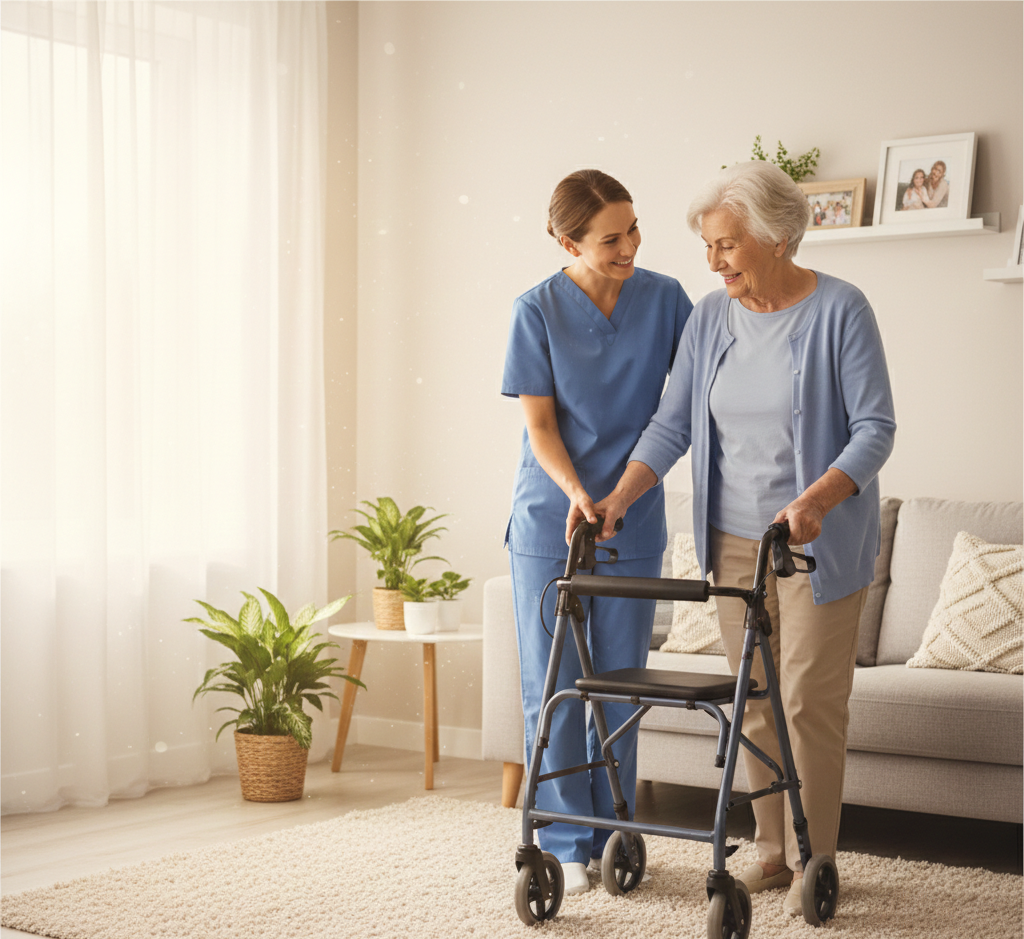
Understanding what is a home health care aide is essential for families seeking in-home support and individuals exploring a rewarding healthcare career. As the demand for aging-in-place services continues to grow, home health care aides play a critical role in supporting seniors, individuals with disabilities, and patients recovering from illness or surgery.
This comprehensive guide explains what a home health care aide is, their responsibilities, required qualifications, work settings, salary expectations, and the growing importance of this profession in today’s healthcare system.
What Is a Home Health Care Aide?
A home health care aide (HHA) is a trained professional who provides personal care and basic health-related services to individuals in their homes. These aides assist patients who are elderly, chronically ill, disabled, or recovering from medical procedures.
Unlike hospital-based nurses or physicians, home health care aides deliver care in a patient’s residence, helping maintain independence while ensuring safety and comfort.
Home health care aides typically work under the supervision of a registered nurse (RN), licensed practical nurse (LPN), or physician, depending on state regulations.
The Primary Role of a Home Health Care Aide
The core mission of a home health care aide is to help patients live safely and comfortably at home. Their responsibilities focus on personal care, daily living activities, and basic health monitoring.
1. Assistance with Activities of Daily Living (ADLs)
One of the main answers to “what is a home health care aide responsible for?” involves ADLs, which include:
- Bathing and grooming
- Dressing
- Toileting assistance
- Mobility support
- Transferring from bed to chair
These tasks help patients maintain dignity and independence.
2. Basic Health Monitoring
Home health care aides may:
- Take vital signs (temperature, pulse, respiration)
- Monitor blood pressure
- Observe changes in condition
- Report concerns to supervising nurses
While they do not diagnose or prescribe treatments, their observations are crucial to patient safety.
3. Meal Preparation and Nutrition Support
Proper nutrition is essential for recovery and health maintenance. HHAs may:
- Prepare balanced meals
- Assist with feeding
- Monitor dietary restrictions
- Encourage hydration
4. Medication Reminders
Home health care aides typically do not administer medications unless specially trained, but they often provide reminders to ensure medications are taken correctly.
5. Light Housekeeping
To create a safe environment, HHAs may assist with:
- Laundry
- Cleaning patient areas
- Dishwashing
- Organizing living spaces
Difference Between a Home Health Care Aide and a Caregiver
When researching what is a home health care aide, many people confuse the term with “caregiver.”
Although similar, there are differences:
| Home Health Care Aide | Caregiver |
|---|---|
| Often certified and trained | May or may not be formally trained |
| Works under medical supervision | Can provide non-medical assistance |
| Provides basic health monitoring | Focuses primarily on companionship and personal care |
| May work through agencies | Can be family members or private hires |
Home health care aides are generally more medically oriented than informal caregivers.
Where Do Home Health Care Aides Work?
Understanding what is a home health care aide also means knowing where they work. HHAs typically provide services in:
- Private homes
- Assisted living facilities
- Group homes
- Hospice settings
- Senior communities
The majority of home health care aides are employed by home health agencies or healthcare organizations.
Who Needs a Home Health Care Aide?
A home health care aide supports individuals facing various challenges, including:
- Seniors aging at home
- Patients recovering from surgery
- Individuals with chronic illnesses
- People with disabilities
- Patients receiving hospice care
Families often hire HHAs to ensure loved ones receive personalized attention without moving into a nursing facility.
Training and Certification Requirements
A common question when asking what is a home health care aide involves training requirements.
Educational Requirements
Most home health care aide positions require:
- A high school diploma or equivalent (in many cases)
- Completion of a state-approved training program
Certification
In the United States, HHAs working for Medicare-certified agencies must complete:
- At least 75 hours of training (minimum federal requirement)
- Clinical practice hours
- Competency evaluation
Requirements vary by state.
Essential Skills
Successful home health care aides possess:
- Compassion and empathy
- Strong communication skills
- Patience
- Physical stamina
- Attention to detail
Salary and Job Outlook
If you are researching what is a home health care aide as a potential career path, understanding compensation is important.
Average Salary
Home health care aide salaries vary depending on location and experience. In the United States:
- Entry-level HHAs earn competitive hourly wages
- Experienced aides may earn higher pay rates
- Overtime and specialized certifications increase earnings
Job Growth
The demand for home health care aides is rapidly increasing due to:
- Aging populations
- Preference for home-based care
- Rising healthcare costs
This makes it one of the fastest-growing occupations in healthcare.
Benefits of Hiring a Home Health Care Aide
For families, understanding what is a home health care aide highlights the value they provide.
1. Personalized Care
Patients receive one-on-one attention tailored to their needs.
2. Comfort of Home
Remaining at home supports emotional well-being and independence.
3. Cost-Effective Alternative
Home care can be more affordable than hospital or nursing home stays.
4. Family Support
HHAs reduce caregiver burnout by assisting family members.
Challenges Faced by Home Health Care Aides
While rewarding, this profession can be demanding.
Physical Demands
HHAs may assist with lifting, transferring, and mobility support.
Emotional Challenges
Working with seriously ill or elderly patients can be emotionally taxing.
Flexible but Irregular Hours
Some aides work evenings, weekends, or overnight shifts.
Despite challenges, many find the career deeply fulfilling.
The Importance of Home Health Care Aides in Modern Healthcare
Home health care aides are vital to today’s healthcare system. As hospitals focus on reducing readmissions and improving patient outcomes, home-based support becomes increasingly important.
By providing daily assistance and monitoring, HHAs:
- Reduce hospital visits
- Promote faster recovery
- Improve quality of life
- Support chronic disease management
Their work bridges the gap between clinical care and everyday living.
How to Become a Home Health Care Aide
If you are inspired after learning what is a home health care aide, here’s how to start:
- Research state training requirements
- Enroll in an approved HHA training program
- Complete required clinical hours
- Pass competency exams
- Apply through home health agencies
Many agencies provide on-the-job training for motivated candidates.
Frequently Asked Questions (FAQs)
What is a home health care aide allowed to do?
A home health care aide provides personal care, basic health monitoring, and assistance with daily living tasks under supervision. They do not perform advanced medical procedures unless specially trained.
Is a home health care aide the same as a nurse?
No. HHAs are not licensed nurses. They work under the supervision of healthcare professionals and provide supportive care.
Can home health care aides administer medication?
Generally, they provide reminders rather than administering medications unless state laws and certifications allow otherwise.
How many hours does a home health care aide work?
Work schedules vary. Some work part-time, while others provide full-time or live-in support.
Choosing the Right Home Health Care Aide
When hiring an HHA, consider:
- Certification and training
- Background checks
- Experience level
- Communication skills
- Compatibility with patient
Working with licensed home health agencies ensures proper oversight and compliance.
Conclusion
So, what is a home health care aide? A home health care aide is a trained healthcare professional who provides essential personal care and basic health support to individuals in their homes. They assist with daily activities, monitor health conditions, and ensure patients maintain dignity and comfort while aging in place or recovering from illness.